

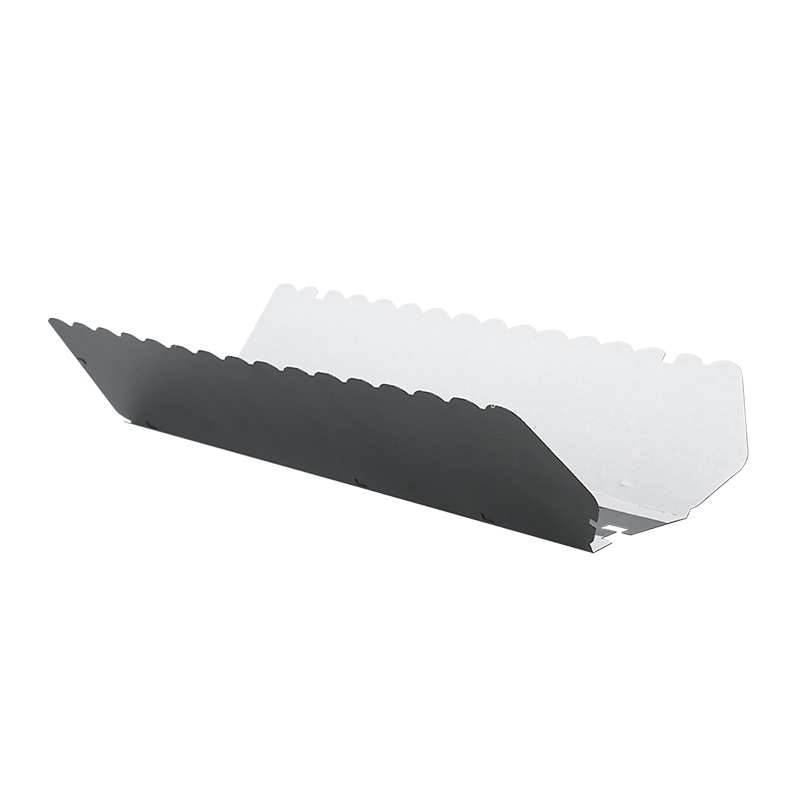
Heat-Resistant, Flame-Retardant Matte & Glossy PC Mylar Sheet is a high-performance polycarbonate insulation film designed for electrical insulation, thermal protection, mechanical separation, and flame-retardant applications. Combining the inherent strength of polycarbonate with controlled surface finishes, this type of PC film can provide a practical balance of electrical insulation, heat resistance, flame resistance, flexibility, dimensional stability, impact resistance, moisture protection, and surface friction.
Unlike conventional transparent plastic films that are mainly selected for appearance or basic separation, flame-retardant PC Mylar sheet is engineered for applications where electrical components, conductive parts, electronic assemblies, and mechanical structures require reliable insulating barriers. Depending on the grade, thickness, surface treatment, and certification, the material can be used in power supplies, battery-related components, bus bar insulation, PCB assemblies, displays, disk drives, commercial electrical equipment, and other electronic systems.
The term “PC Mylar Sheet” is commonly used in product descriptions to describe a thin polycarbonate film or sheet used for insulation and protective applications. Technically, Mylar is a trademark associated with polyester film, while PC film refers to polycarbonate film. Therefore, when selecting material for a technical application, the actual polymer type, grade, thickness, flame-retardant rating, surface finish, dielectric properties, and manufacturer technical data should be confirmed rather than relying solely on the commercial name.
Heat-resistant flame-retardant PC film is particularly useful when an application requires both electrical insulation and mechanical durability. Its combination of formability and toughness allows it to be die-cut, punched, folded, formed, laminated, or otherwise converted into custom insulation components. Matte, semi-matte, sand-textured, and glossy surfaces can also be selected according to the requirements of the finished product.
For electrical and electronic manufacturing, the material can function as an insulating barrier between conductive components and surrounding structures. It can also provide an additional protective layer against accidental contact, abrasion, moisture, dust, and mechanical impact. When properly selected, PC insulation film can contribute to safer and more compact component layouts.
1. Understanding PC Mylar Sheet
Polycarbonate film is a thermoplastic engineering material known for its high impact strength, dimensional stability, electrical insulation capability, and processing versatility. Thin PC film is frequently converted into insulation sheets, washers, barriers, labels, separators, protective layers, and precision die-cut components.
The term PC stands for polycarbonate. Polycarbonate belongs to a family of engineering thermoplastics with a useful combination of mechanical and electrical characteristics. Compared with many ordinary commodity plastic films, PC can offer greater toughness and better resistance to mechanical deformation.
In electronic equipment, the material is often used where a thin but mechanically reliable insulating layer is required. A PC film may be positioned between a metal component and a circuit board, around a bus bar, underneath a conductive terminal, between electrical assemblies, or around areas where accidental contact must be prevented.
The film can also be manufactured with different surface appearances. Glossy PC film provides a smooth surface with a clean visual appearance, while matte PC film reduces surface reflection and can provide a different tactile characteristic. Medium-sand finishes can provide controlled surface texture for applications requiring increased friction or reduced gloss.
Flame-retardant PC grades are developed for applications where the insulation material must contribute to fire-safety requirements. Depending on the specific formulation and thickness, a PC film may achieve a specified UL 94 classification such as VTM-0 or V-0. Certification should always be confirmed for the exact material thickness and construction because flame classification can vary with thickness and product formulation.
2. Heat Resistance of PC Insulation Film
Heat resistance is an important consideration when selecting an insulation film for electrical and electronic equipment.
Electronic components can generate heat during normal operation. Power supplies, transformers, inductors, switching components, bus bars, motors, connectors, and other conductive structures may operate at elevated temperatures. An Insulating Film positioned near these components therefore needs sufficient thermal stability for the intended operating environment.
Heat-resistant PC film can maintain useful mechanical and dimensional properties over a broad range of temperatures, depending on its formulation and grade. The actual continuous-use temperature should always be determined from the manufacturer's technical data.
One major advantage of engineering-grade PC film is dimensional stability. When exposed to elevated temperatures, materials with poor dimensional stability may shrink, warp, soften, or lose their intended geometry. A properly selected PC film can help maintain the designed shape of an insulation component.
This characteristic is especially valuable for precision die-cut parts. A battery insulation washer, PCB insulating barrier, bus bar separator, terminal insulator, or electrical isolation sheet must maintain sufficient dimensional accuracy after manufacturing and during service.
Heat resistance also interacts with adhesive selection. When PC film is laminated with an adhesive, the temperature performance of the entire construction depends not only on the PC substrate but also on the adhesive. Therefore, a high-temperature PC film does not automatically mean that an adhesive-backed construction can operate continuously at the same temperature.
3. Flame-Retardant PC Film
Flame retardancy is one of the most important features of specialized PC insulation films.
A flame-retardant PC film can help reduce the risk associated with ignition and flame propagation in electrical and electronic assemblies. This is particularly relevant to power supplies, battery systems, control equipment, circuit boards, commercial equipment, and other products where electrical faults can potentially generate localized heat.
The supplied material description specifies flame-retardant black PC with a UL94 VTM-0 or V-0 rating. These classifications belong to the UL 94 flammability testing system, but the exact rating depends on the product construction, thickness, formulation, and test conditions.
VTM classifications are generally associated with thin flexible materials, whereas V ratings are used for suitable specimen configurations. Because the test methods differ, engineers should not assume that VTM-0 and V-0 are interchangeable.
A professional material specification should therefore identify:
Polymer type
Film thickness
Flame-retardant grade
Applicable UL 94 rating
Test thickness
Certification or recognition information
Operating temperature
Electrical insulation properties
Mechanical properties
Surface finish
For safety-critical applications, the exact certification documentation should be reviewed before material approval.
4. Fire-Resistant Black PC Film
Black flame-retardant PC film is widely selected when both technical performance and visual consistency are important.
Black film can provide a clean appearance inside electronic equipment and can make insulation components easier to distinguish from transparent or natural-color plastic components. It can also reduce the visual impact of internal components when used in finished products.
The described black PC construction may feature a medium-sand surface on one side and a matte or semi-matte surface on the opposite side. Such a dual-surface configuration can be useful when different friction, appearance, or processing characteristics are required on opposite sides of the film.
A textured surface can increase the practical friction between the film and adjacent components. This can help reduce unwanted movement in certain assembly configurations, although actual anti-slip performance depends on surface texture, contact pressure, material pairing, temperature, and environmental conditions.
The matte surface can also reduce reflected light compared with a high-gloss surface. This characteristic can be valuable in electronic equipment where excessive internal reflection is undesirable.
5. Matte PC Mylar Sheet
Matte PC Mylar sheet is designed with a non-gloss or reduced-gloss surface. The matte finish can provide several functional benefits beyond appearance.
A matte surface can reduce glare and visible reflection. This may be beneficial for internal equipment, display-related components, electrical housings, labels, protective barriers, and other applications where a subdued surface appearance is preferred.
Matte surfaces can also provide a different tactile response compared with glossy film. Depending on the texture, they may offer improved handling characteristics during assembly.
For die-cutting operations, surface texture can affect feeding, stacking, friction, and contact with tooling. Therefore, production engineers should evaluate the complete material construction rather than selecting film solely according to its appearance.
Matte PC film is also frequently considered when a product requires a professional technical appearance. Black matte insulation components can visually integrate with dark housings, PCB assemblies, electronic modules, and industrial equipment.
6. Glossy PC Mylar Sheet
Glossy PC film provides a smooth, reflective surface. Compared with matte material, glossy film can offer a cleaner and more polished appearance.
A smooth surface may also be advantageous in applications where low surface roughness, easy cleaning, or specific printing characteristics are required.
Glossy PC film can be used in electrical insulation components, protective overlays, equipment labels, decorative technical films, electronic assemblies, and laminated constructions.
The appropriate surface finish depends on the application. Glossy film is not inherently better than matte film. Instead, each finish is suited to different requirements.
When the primary requirement is low visual reflection, matte or semi-matte film may be preferred. When a smooth, clean appearance is required, glossy film may be more appropriate.
7. Electrical Insulation Performance
Electrical insulation is one of the main reasons PC film is used in electronic assemblies.
An insulation film creates physical separation between electrically conductive components. This separation can help reduce the possibility of unintended electrical contact, short circuits, arcing, and electrical leakage.
Typical applications include insulation between:
Metal housings and circuit boards
Bus bars and supporting structures
Conductive terminals and Brackets
Battery components and electrical assemblies
PCB components and metal chassis
Power supply components and enclosures
Wires and sharp structural edges
Electrical insulation performance depends on several factors, including dielectric strength, film thickness, volume resistivity, surface resistivity, humidity, temperature, contamination, and mechanical condition.
A film that performs well under dry laboratory conditions may behave differently in a humid or contaminated environment. Therefore, the complete application environment must be considered.
PC film can provide an effective electrical barrier while occupying relatively little space. This is particularly useful in compact electronic devices where designers want to maximize internal space without sacrificing insulation distance.
8. Dielectric Strength and Insulation Design
Dielectric strength is an important parameter when evaluating insulation film.
It describes the electrical field that a material can withstand before dielectric breakdown occurs under specified test conditions. However, dielectric strength should not be treated as the same thing as the safe operating voltage of a finished product.
Real-world electrical design must also consider:
Working voltage
Transient voltage
Creepage distance
Clearance distance
Film thickness
Temperature
Humidity
Contamination
Mechanical stress
Aging
Manufacturing tolerances
For high-voltage applications, the insulation system should be validated as a complete assembly.
PC film can act as one layer within a larger insulation system. In some products, it may be combined with other polymer films, adhesive layers, fiberglass materials, paper insulation, metal foils, or molded plastic structures.
9. Moisture Protection
Moisture resistance is another useful characteristic for electronic insulation.
Humidity can influence electrical insulation performance and can accelerate corrosion of conductive components. A properly selected plastic insulation film can provide a physical barrier between sensitive components and surrounding environmental exposure.
PC film can be used as an auxiliary moisture-resistant barrier in certain assemblies, but it should not automatically be considered a waterproof seal.
If a component must meet a defined IP protection rating or immersion resistance requirement, the complete enclosure and sealing system must be tested.
For battery and electronic assemblies, moisture protection can be particularly important because conductive contamination combined with moisture may increase the risk of leakage currents or corrosion.
10. Anti-Slip and Surface Friction
The specified product performance includes anti-slip characteristics. This property is particularly relevant to matte and textured PC film.
A textured surface can increase friction between the film and adjacent components. In mechanical assemblies, this can help maintain the relative position of insulating layers.
However, anti-slip behavior is application-dependent. It can change according to:
Surface texture
Contact pressure
Temperature
Humidity
Counterpart material
Surface cleanliness
Compression
Mechanical vibration
For battery modules and electronic assemblies exposed to vibration, the complete assembly should be tested rather than relying only on the nominal film surface.
11. Shock-Proof and Impact-Resistant Characteristics
Polycarbonate is known for strong impact resistance compared with many conventional plastic films.
This makes PC film useful when an insulating layer must tolerate handling, assembly pressure, vibration, or occasional mechanical impact.
A thin insulation film may not function as a structural component, but it can provide a protective separation layer. In electronic assemblies, this layer can help reduce direct contact between components and protect sensitive surfaces from abrasion.
In transportation, industrial equipment, e-bikes, energy storage systems, and other vibration-prone applications, material toughness can be an important consideration.
12. Formability and Processing
One of the key advantages of PC film is its processing flexibility.
Depending on thickness and grade, PC film can be processed through:
Die cutting
Punching
Slitting
Laser cutting
Folding
Bending
Thermoforming
Printing
Laminating
Adhesive coating
Precision stamping
This processing flexibility allows manufacturers to convert large rolls or sheets into highly customized insulation components.
Die-cut PC insulation parts can be manufactured in shapes such as:
Washers
Rings
Strips
Shields
Barriers
Spacers
Covers
Terminal insulators
PCB separators
Bus bar insulators
Battery protection sheets
The final processing method should be selected according to film thickness, geometry, tolerance, production volume, and required edge quality.
13. Dimensional Stability at Elevated Temperature
Dimensional stability is especially important in precision electronic assemblies.
When insulation material changes dimensions significantly during operation, it can create gaps, overlap conductive areas, or place unwanted stress on adjacent components.
PC film offers useful dimensional stability for many engineering applications. However, dimensional change remains dependent on temperature, film grade, orientation, thickness, processing history, and environmental conditions.
For high-precision parts, engineers should review thermal shrinkage and dimensional-change data.
This is particularly important for:
PCB insulation
Bus bar barriers
Transformer insulation
Power supply insulation
Connector insulation
Battery component separation
Precision die-cut parts
14. PC Film for Power Supply Applications
Power supplies contain multiple heat-generating and electrically conductive components.
PC insulation film can be used as an auxiliary barrier between circuit boards, metal components, electrical terminals, and housings.
Typical uses include:
PCB insulation
Transformer barriers
Terminal insulation
Component separation
Housing insulation
Bus bar isolation
Wire protection
Heat-related component separation
Flame-retardant grades are particularly relevant where electrical safety requirements include resistance to flame propagation.
15. PC Film for Bus Bar Insulation
Bus bars are conductive metal structures used to distribute electrical power.
Because bus bars may carry significant current, insulation around them must be carefully designed.
PC film can be used as a thin insulating layer between conductive bus bars and neighboring components.
Potential benefits include:
Electrical separation
Compact construction
Mechanical protection
Die-cut customization
Flame-retardant options
High-temperature capability
Surface friction
Easy assembly
For high-voltage battery and power systems, the insulation system must be designed according to the actual voltage, current, temperature, creepage, clearance, and mechanical requirements.
16. PC Film for PCB Insulation
Printed circuit boards often contain closely spaced conductive traces, solder joints, connectors, and metal structures.
PC insulation film can provide additional separation in areas where accidental contact may occur.
Possible applications include:
PCB backside insulation
Component barrier films
Terminal protection
Metal housing separation
Connector insulation
Solder-joint protection
Heat-related component barriers
The film can be precision die-cut to fit around components and mounting points.
17. PC Film for Disk Drives and Precision Electronics
Precision electronic equipment can require thin, mechanically stable insulation components.
PC film can be processed into small, accurate shapes and can provide a combination of electrical insulation and mechanical durability.
The material may be used as a separator, barrier, protective layer, or insulating component depending on the equipment design.
For precision electronics, surface finish can also influence assembly behavior. Matte surfaces may reduce unwanted glare, while smooth surfaces may be preferred for certain cleaning, printing, or lamination processes.
18. PC Film for TVs and Monitors
Televisions and monitors contain power boards, circuit boards, metal brackets, connectors, display structures, and other electrical components.
PC insulation film can be used as an auxiliary insulating barrier between conductive and structural components.
The black color may also provide a visually consistent appearance within dark electronic housings.
Depending on the application, matte and glossy surfaces can be selected according to visual and assembly requirements.
Flame-retardant PC film can be particularly valuable in areas where electrical safety and flame resistance are part of the product design requirements.
19. PC Film for Commercial Equipment
Commercial electrical equipment often operates for extended periods and may experience elevated temperatures, vibration, repeated maintenance, and demanding environmental conditions.
PC insulation film can provide a thin, lightweight insulation layer without requiring a large structural component.
Potential applications include:
Control cabinets
Power modules
Office equipment
Industrial controllers
Commercial appliances
Communication equipment
Electronic power systems
Electrical distribution equipment
The appropriate grade should be selected according to operating temperature, voltage, flame rating, mechanical requirements, and regulatory standards.
20. Metal Foil Lamination
One of the important features of PC film is its ability to be incorporated into multilayer constructions.
When laminated with metal foil, a PC film construction may provide both insulation and electromagnetic or radio-frequency shielding functions.
A typical multilayer construction may include:
Metal foil → adhesive layer → PC insulation film
or a more complex multilayer design depending on the required electrical and mechanical properties.
The metal layer can provide shielding against electromagnetic interference, while the polymer film can provide electrical separation and mechanical support.
The final performance depends heavily on the conductivity, thickness, continuity, grounding arrangement, adhesive system, and overall structure.
21. EMI and RFI Shielding Applications
Electromagnetic interference and radio-frequency interference can affect electronic equipment performance.
Metal foil is commonly used as a conductive shielding layer. When combined with an insulating PC film, the resulting laminate can be incorporated into shielding components.
Possible applications include:
Cable shielding
Electronic enclosure shielding
PCB shielding
Power module shielding
Signal protection
Equipment grounding structures
Flexible shielding components
The PC layer provides separation between the conductive foil and other components.
However, shielding effectiveness is determined by the complete design, including conductive continuity and grounding. The polymer film alone does not provide electromagnetic shielding.
22. Surface Finish Selection
Choosing between matte, semi-matte, sand-textured, and glossy PC film depends on the application's functional and aesthetic requirements.
Matte film is suitable when reduced reflection and a subdued appearance are preferred.
Semi-matte film provides a compromise between smooth appearance and reduced glare.
Medium-sand film provides more pronounced surface texture and may be useful where additional friction or controlled surface interaction is desired.
Glossy film provides a smooth, reflective appearance and can be suitable for applications requiring clean surfaces and visual clarity.
The surface finish can also affect printing, adhesive bonding, friction, die-cutting, and handling.
23. Thickness Selection
PC insulation films are available in different thicknesses.
Thin films are useful when space is limited. Thicker films may provide greater mechanical robustness and insulation distance.
Selection should consider:
Required dielectric performance
Mechanical strength
Available installation space
Flame rating
Formability
Die-cutting requirements
Temperature exposure
Required dimensional stability
Assembly method
A thicker film is not automatically the best solution. In compact electronic products, a thinner film with verified insulation performance may be more suitable.
24. Die-Cutting PC Mylar Sheet
Die-cutting is one of the most common conversion methods for insulation film.
Manufacturers can produce custom shapes according to engineering drawings.
Typical die-cut parts include:
Circular insulating washers
Rectangular barriers
Battery separators
PCB insulation pads
Terminal covers
Bus bar insulators
Connector barriers
Protective shields
Precision die cutting can reduce manual assembly and improve production consistency.
For high-volume production, the die-cutting process can also reduce material waste when the nesting layout is optimized.
25. Punching and Custom Fabrication
Punching is another practical method for producing PC insulation components.
Holes can be incorporated for:
Screws
Rivets
Terminals
Mounting posts
Wiring
Connectors
Ventilation structures
Complex parts can combine external profiles and internal holes within a single component.
Custom punching allows the insulation film to match the geometry of the finished assembly more closely.
26. Adhesive-Backed PC Insulation Film
PC film can be combined with pressure-sensitive adhesive when self-adhesive installation is required.
An adhesive-backed construction may simplify assembly by keeping the insulation component in the intended position before final assembly.
However, the adhesive becomes part of the functional insulation system.
Engineers should evaluate:
Adhesive temperature resistance
Peel strength
Shear strength
Electrical insulation
Residue
Chemical compatibility
Aging
Flame performance
Moisture resistance
A flame-retardant PC substrate does not automatically make the complete adhesive-backed product flame-retardant.
27. Chemical Resistance
PC film provides useful resistance to many common environmental substances, but its chemical compatibility depends on the specific chemical and exposure conditions.
Potential exposure may include:
Cleaning agents
Oils
Lubricants
Weak acids
Weak alkalis
Solvents
Electrolytes
Industrial chemicals
Before using PC film in a chemically demanding environment, compatibility testing should be performed.
Temperature can significantly influence chemical resistance. A substance that causes little effect at room temperature may have a stronger effect at elevated temperature.
28. Battery and New-Energy Applications
Flame-retardant PC film can also be used as an auxiliary insulation material in battery-related applications.
Potential applications include:
Cell insulation
Terminal insulation
Bus bar separation
Module barriers
PCB insulation
BMS insulation
Battery enclosure insulation
Connector protection
In battery systems, electrical isolation is particularly important because conductive components may be positioned close to one another.
PC film can provide a thin barrier without significantly increasing the overall size of the assembly.
For lithium-ion battery systems, material selection should also consider thermal exposure, electrolyte compatibility, flame behavior, mechanical vibration, and long-term aging.
29. PC Film in Energy Storage Systems
Energy storage systems can contain high-voltage electrical connections, bus bars, battery modules, power electronics, control boards, and metal enclosures.
Insulation films can help separate conductive components from structural parts.
Flame-retardant PC materials may be considered for selected internal insulation components where the material's certified performance matches the system requirements.
Potential areas include:
Battery module insulation
Bus bar insulation
BMS board separation
Power electronics insulation
Terminal barriers
Connector insulation
Metal enclosure separation
Because energy storage systems can operate at high voltage and high power, the insulation design should be validated through appropriate electrical, thermal, mechanical, and environmental testing.
30. E-Bike and Electric Vehicle Applications
Electric mobility products such as e-bikes, scooters, and electric vehicles experience vibration, temperature changes, mechanical shock, and electrical loads.
PC insulation film can be used as an auxiliary protective layer in selected electrical assemblies.
Its impact resistance and formability can be advantageous for components exposed to vibration or assembly handling.
Possible applications include:
Battery module insulation
Controller insulation
Bus bar insulation
PCB protection
Connector separation
Wire routing protection
Metal bracket insulation
The final material grade should be selected according to the temperature, electrical, vibration, and flame requirements of the vehicle system.
31. Mechanical Separation
Insulation film can serve more than one function.
In addition to electrical insulation, it can physically separate two components.
For example, a PC barrier may be positioned between a metal bracket and a PCB. This arrangement can reduce the possibility of mechanical contact while also providing electrical isolation.
Mechanical separation can be especially useful where the assembly contains sharp edges, screws, brackets, terminals, or conductive housings.
32. Edge Protection
Die-cut PC film can be designed to cover areas around sharp edges.
This can reduce direct contact between wires, circuit boards, and metal structures.
In compact electronic products, edge protection is often integrated into the geometry of the insulation component.
For example, an insulating sheet can extend beyond the edge of a conductive bracket to create an additional isolation margin.
33. Lightweight Insulation Solution
PC film provides insulation without requiring a large volume of material.
This can help designers develop compact electronic assemblies.
Compared with thick molded insulation components, a thin film can occupy less space and can be shaped precisely through die cutting.
This characteristic can be useful in:
Portable electronics
Power supplies
Battery packs
Control modules
Displays
Communication equipment
Industrial electronics
34. Environmental Stability
Electronic components may encounter changing environmental conditions.
Temperature cycling, humidity, vibration, dust, and mechanical stress can influence Insulation Materials over time.
A properly selected PC film can provide a stable protective layer in many environments.
However, long-term environmental performance should be evaluated using accelerated aging or application-specific validation where necessary.
Important test factors can include:
High-temperature aging
Low-temperature exposure
Humidity aging
Thermal cycling
Electrical aging
Mechanical vibration
Chemical exposure
35. Manufacturing Advantages
PC film is attractive to manufacturers because it can be converted into customized components using established film-processing technologies.
The ability to slit, die-cut, punch, laminate, print, and form the material allows a single base film to serve many product designs.
Manufacturers can also select different thicknesses and surface finishes according to the requirements of the final component.
This flexibility supports both prototype development and high-volume production.
36. Custom PC Insulation Components
Custom PC Mylar sheets can be manufactured according to customer drawings and application requirements.
Common customization parameters include:
Thickness
Width
Length
Sheet size
Roll format
Color
Surface finish
Flame-retardant grade
Adhesive type
Die-cut geometry
Hole pattern
Folding structure
Printing
Custom fabrication can reduce secondary processing during assembly.
37. Quality Control Considerations
Quality control is important for insulation films because small material defects can affect finished-product performance.
Typical inspection items include:
Thickness
Width
Surface appearance
Color consistency
Dielectric strength
Flame performance
Tensile properties
Dimensional stability
Adhesion where applicable
Surface cleanliness
Die-cut accuracy
For precision insulation parts, dimensional tolerances should be clearly defined.
38. Surface Defect Inspection
Surface inspection can identify defects such as:
Scratches
Pinholes
Bubbles
Wrinkles
Contamination
Uneven texture
Color variation
Edge damage
For electrical insulation applications, pinholes and other discontinuities can be particularly important.
The inspection standard should be appropriate for the final application and film thickness.
39. Storage Recommendations
Proper storage can help maintain film quality before conversion.
PC film should generally be protected from:
Excessive heat
Direct sunlight
High humidity
Dust
Chemical contamination
Mechanical deformation
Rolls should be stored in a way that prevents crushing and excessive pressure.
Before processing, the film should be allowed to reach suitable production-room conditions when required by the material supplier.
40. Handling During Assembly
During assembly, operators should avoid unnecessary stretching, folding, or scratching of insulation film.
Sharp tools should be controlled carefully.
If the material is used as an electrical barrier, damage to the film may reduce the intended insulation margin.
For die-cut components, parts should be inspected before installation if the application has strict electrical safety requirements.
41. Difference Between PC Film and PET Film
PC and PET are both widely used engineering films, but they have different performance characteristics.
PC is generally valued for impact resistance, toughness, formability, and engineering performance.
PET is widely used for electrical insulation, dimensional stability, chemical resistance, and cost-effective film applications.
The best material depends on the specific requirements.
PC can be advantageous when mechanical toughness and impact resistance are important.
PET may be preferred when the application prioritizes particular electrical, dimensional, chemical, or cost requirements.
Material selection should be based on actual technical data rather than simply selecting the most familiar film type.
42. Difference Between PC Film and PVC Film
PVC electrical films and tapes are common in general electrical applications, but PVC and PC have different thermal, mechanical, and flame-performance characteristics.
PC is generally considered when engineering-grade mechanical strength, impact resistance, dimensional stability, and flame-retardant performance are important.
PVC may be suitable for many general-purpose applications but may not be appropriate for higher-temperature or specialized electronic assemblies.
The adhesive system must also be considered when comparing adhesive-backed materials.
43. Why Flame Retardancy Matters
Electrical equipment can experience abnormal heating due to component failure, overload, loose connections, or other faults.
Flame-retardant materials can help reduce flame propagation within the equipment.
However, flame-retardant insulation film is only one part of a complete fire-safety strategy.
A complete product may also require:
Proper electrical protection
Thermal management
Appropriate enclosure design
Current limiting
Over-temperature protection
Adequate insulation distance
Certified components
Controlled assembly processes
Therefore, a flame-retardant film should be considered as part of a broader engineering design.
44. Importance of UL94 Certification
UL 94 is widely used to evaluate the flammability behavior of plastic materials.
When a product description states V-0 or VTM-0, engineers should verify:
Exact grade
Film thickness
Test method
Recognition or certification status
Applicable component configuration
A material may achieve a particular flame classification at one thickness but not another.
Therefore, purchasing departments and engineers should request the current technical documentation for the exact material being supplied.
45. Sustainable Material Considerations
Environmental compliance is increasingly important for electronic manufacturing.
Depending on the supplier and grade, PC film may be available with documentation relating to substances and regulatory requirements.
Common documentation requests can include:
RoHS compliance
REACH compliance
Halogen-free declarations
Material safety information
UL documentation
Environmental declarations
Actual compliance must be verified against the specific material grade and applicable regulations.
46. PC Film for Die-Cut Insulation Gaskets
PC film can be converted into gasket-like insulating components.
These parts can combine:
Electrical isolation
Mechanical separation
Edge protection
Component positioning
Flame-retardant performance
A custom die-cut insulation gasket can be designed to surround a conductive terminal while leaving required mounting holes exposed.
This can simplify assembly and improve repeatability.
47. PC Film for Terminal Insulation
Electrical terminals can be located near metal structures and other conductive components.
A PC insulation component can create a barrier between the terminal and adjacent conductive surfaces.
This is especially relevant to compact electrical modules where physical spacing is limited.
The geometry of the insulating component should provide sufficient coverage while avoiding interference with connectors, fasteners, or wiring.
48. PC Film for Transformer and Power Electronics
Transformers, inductors, and power electronics can generate heat during operation.
Flame-retardant PC film can be considered for selected insulation and separation functions.
Applications may include:
Component barriers
Terminal insulation
Layer separation
PCB isolation
Housing separation
The final temperature rating must be matched to the actual operating environment.
49. Printing and Identification
Some PC films can be printed for identification or assembly guidance.
Printed information may include:
Part numbers
Assembly marks
Direction indicators
Warning symbols
Positioning references
Printing compatibility depends on the surface finish and ink system.
For industrial applications, the durability of printed information should be validated against abrasion, temperature, chemicals, and handling.
50. Design Advantages of Black PC Film
Black PC film offers both functional and visual benefits.
It can help create a consistent appearance inside dark electronic housings and can make insulation parts visually distinct from metallic components.
Black coloration can also be useful for product identification and assembly organization.
However, color should never be treated as an indicator of electrical or flame performance. The technical grade and certification remain the determining factors.
51. Selecting Matte or Glossy PC Film
The choice between matte and glossy film should be based on the intended function.
Choose matte or semi-matte surfaces when:
Glare reduction is important
A subdued appearance is preferred
Additional surface texture is useful
Tactile differentiation is desired
Choose glossy surfaces when:
Smooth appearance is important
Low surface roughness is preferred
Easy visual inspection is required
A polished technical appearance is desired
For demanding applications, samples should be evaluated before mass production.
52. Engineering Design Considerations
When designing an insulation component from PC film, engineers should evaluate the complete system.
Important parameters include:
Electrical voltage
Maximum operating temperature
Peak temperature
Flame requirements
Film thickness
Mechanical loading
Vibration
Chemical exposure
Humidity
Assembly process
Die-cut tolerance
Required surface finish
A material that meets one requirement may not automatically satisfy all other requirements.
53. Advantages of Heat-Resistant Flame-Retardant PC Mylar Sheet
The main advantages can be summarized as follows:
High electrical insulation capability
Useful thermal resistance
Flame-retardant material options
Good mechanical toughness
Strong impact resistance
Good dimensional stability
Flexible processing
Excellent die-cutting potential
Matte and glossy surface options
Black and other color options
Moisture-resistant characteristics
Potential anti-slip surface
Lightweight construction
Customizable thickness
Customizable geometry
Suitable for laminated structures
Suitable for metal foil integration
Broad electronic application potential
54. Application Areas
Heat-resistant flame-retardant PC film can be considered for:
Power supplies
PCBs
Bus bars
Transformers
Disk drives
TVs
Monitors
Commercial equipment
Industrial electronics
Battery modules
Energy storage systems
E-bike battery systems
Electric mobility products
Control panels
Communication equipment
Electronic housings
Electrical connectors
Power electronics
The actual suitability depends on the verified specification of the selected grade.
55. Typical Product Forms
PC insulation film may be supplied in several formats.
Common forms include:
Roll stock
Sheet stock
Slit rolls
Die-cut pieces
Precision punched parts
Adhesive-backed sheets
Laminated films
Custom-shaped insulation components
Roll stock is convenient for high-volume converting.
Die-cut parts are convenient for direct assembly.
Sheet material can be suitable for prototyping and low-volume production.
56. OEM and Custom Manufacturing Possibilities
Custom PC insulation film products can be developed according to engineering requirements.
OEM and ODM-style customization may involve:
Custom thickness
Custom width
Custom color
Custom surface finish
Custom flame-retardant grade
Custom adhesive
Custom die-cut profile
Custom hole arrangement
Custom printing
Custom packaging
Before mass production, sample approval and technical validation are recommended.
57. Why PC Insulation Film Supports Compact Designs
Modern electronics increasingly require smaller and lighter assemblies.
Traditional thick insulation structures may occupy valuable internal space.
Thin PC film can provide a practical alternative where a flexible, lightweight, precisely shaped insulating barrier is sufficient.
This can support compact layouts in power electronics, battery systems, PCB assemblies, and commercial equipment.
58. Reliability Considerations
Long-term reliability depends on more than the initial material specification.
A reliable insulation system should consider:
Thermal aging
Electrical aging
Mechanical fatigue
Environmental exposure
Adhesive aging
Surface contamination
Installation quality
Manufacturing tolerances
The film should remain physically intact and maintain its required insulation function throughout the intended service life.
59. Testing Recommendations
For demanding applications, testing may include:
Dielectric strength testing
Insulation resistance testing
Flame testing
Thermal aging
Temperature cycling
Humidity testing
Chemical compatibility testing
Tensile testing
Elongation testing
Dimensional stability testing
Impact testing
Vibration testing
Adhesion testing for laminated products
The test plan should reflect the actual application environment.
60. Purchasing Considerations
When purchasing Heat-Resistant, Flame-Retardant Matte & Glossy PC Mylar Sheet, buyers should avoid selecting material based only on thickness and color.
Important purchasing information should include:
Polymer type
Grade
Thickness
Surface finish
Color
Flame rating
Dielectric properties
Temperature performance
Mechanical properties
Roll width
Roll length
Tolerance
Certification
Compliance documentation
A current TDS should be requested for the exact grade.
61. Frequently Asked Questions
A PC Mylar sheet generally refers commercially to a thin polycarbonate film or sheet used for insulation and protection. Technically, Mylar is associated with polyester film, while PC identifies polycarbonate. The exact material should therefore be confirmed through the product specification.
Black color alone does not indicate flame retardancy. A specific flame-retardant PC grade is required to achieve a verified UL 94 classification.
Yes. Engineering-grade PC film can be used for electrical insulation and component separation when its dielectric and temperature properties meet the requirements of the application.
Yes. PC film is commonly converted through die cutting, punching, slitting, and other processing methods.
Neither is universally better. Matte film is useful for reduced reflection and textured surfaces, while glossy film provides a smooth and reflective finish.
Appropriately specified heat-resistant PC grades can be used near heat-generating components. The continuous operating temperature must be verified for the exact grade.
Yes, selected PC insulation films can be used as auxiliary bus bar insulation when the film's electrical, thermal, flame, and mechanical properties meet the design requirements.
Yes. PC film can be incorporated into metal-foil laminate structures for insulation and, depending on the construction, EMI/RFI shielding.
PC film can provide moisture resistance, but a film should not automatically be considered a waterproof sealing system. Waterproof performance must be evaluated for the complete assembly.
Selected flame-retardant PC films can be considered for battery insulation, module separation, bus bar insulation, BMS protection, and other auxiliary applications when verified against the battery system requirements.
62. Conclusion
Heat-Resistant, Flame-Retardant Matte & Glossy PC Mylar Sheet is a versatile engineering film for electrical insulation, component separation, mechanical protection, and flame-retardant applications. Its combination of insulation performance, thermal stability, impact resistance, formability, dimensional stability, and customizable surface finishes makes it suitable for a wide range of electronic and electrical applications.
The availability of matte, semi-matte, sand-textured, and glossy surfaces allows designers to select a construction that matches both functional and visual requirements. Black flame-retardant PC film can provide a clean technical appearance while supporting applications where verified flame performance is required.
For power supplies, PCBs, bus bars, disk drives, TVs, monitors, commercial equipment, battery systems, energy storage systems, and other electronic products, PC insulation film can provide an efficient thin-layer solution.
When combined with metal foil, PC film can also form multilayer constructions that integrate electrical insulation with electromagnetic or radio-frequency shielding functions.
The most important consideration is material verification. Temperature resistance, dielectric strength, flame classification, dimensional stability, chemical compatibility, and mechanical performance can vary according to polymer formulation, thickness, surface finish, and manufacturing process. Therefore, the technical data sheet for the exact material grade should always be used as the final reference.
This website uses cookies to ensure you get the best experience on our website.



 Phone
Phone