

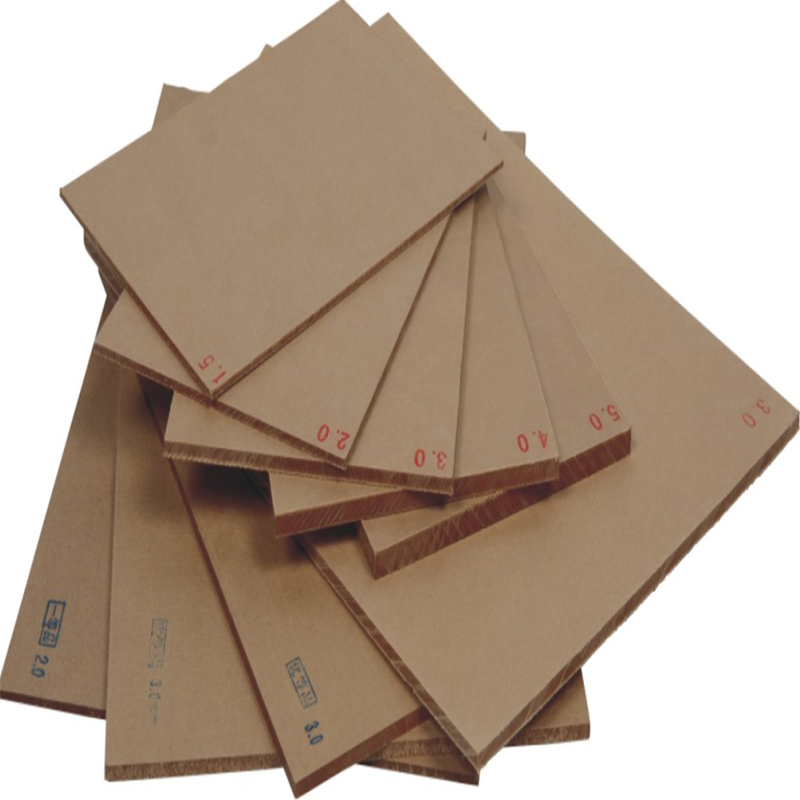
Insulation Paperboard for Transformer Applications is a rigid, cellulose-based electrical insulation material designed to provide dielectric separation, mechanical support, dimensional stability, and structural insulation inside transformers. It is commonly associated with transformer pressboard, electrical insulation board, and transformer board. Unlike ordinary paperboard used for packaging, Electrical Insulation Paperboard is manufactured from carefully selected insulating fibers and processed under controlled conditions to achieve the electrical, mechanical, chemical, and dimensional characteristics required for transformer insulation systems.
In oil-immersed transformers, solid insulation and liquid insulation work together as an integrated dielectric system. Cellulose-based Insulation Materials, including insulation paper and insulation paperboard, are widely used because they combine useful dielectric properties with mechanical strength, oil compatibility, processability, and established manufacturing technology. Transformer pressboard is particularly important where insulation must also act as a structural component.
Insulation Paperboard for Transformer Applications is generally used for components such as barriers, spacers, cylinders, end insulation, angle rings, support elements, blocks, strips, washers, and other formed or machined transformer insulation components. Its rigid structure makes it especially suitable for locations where flexible insulation paper alone cannot provide sufficient mechanical support.
The material must be selected according to transformer voltage level, winding arrangement, insulation coordination, operating temperature, transformer oil system, mechanical loading, manufacturing process, dimensional requirements, and applicable technical specifications. ASTM D4063, for example, addresses pressboard for electrical insulating purposes and identifies dielectric and structural applications in transformers and other electrical apparatus.
This guide provides an industry-oriented overview of Insulation Paperboard for Transformer Applications, including its definition, construction, manufacturing, characteristics, transformer applications, advantages, specifications, material selection, processing, storage, quality control, installation considerations, oil compatibility, moisture management, electrical performance, mechanical performance, thermal behavior, and purchasing considerations.
1. What Is Insulation Paperboard for Transformer Applications?
Insulation Paperboard for Transformer Applications is a high-density insulating board manufactured primarily from electrical-grade cellulose fibers. It is engineered to function as a solid electrical insulation material in transformer structures.
The term transformer pressboard is commonly used for this type of material. It differs significantly from conventional paperboard because electrical insulation paperboard is manufactured for dielectric and mechanical requirements rather than packaging or general-purpose applications.
A transformer insulation paperboard may be supplied as a flat sheet, strip, board, or processed component. Depending on the transformer design, the board can be cut, punched, machined, folded, bent, formed, or assembled into specific insulation structures.
In many oil-filled transformer designs, cellulose pressboard is impregnated with transformer insulating liquid during operation. The resulting paper-oil insulation system combines solid and liquid dielectric components. Pressboard provides the solid structural component, while transformer oil occupies spaces between insulation structures and assists with dielectric insulation and heat transfer.
The basic functions of transformer insulation paperboard include:
Electrical isolation
Dielectric separation
Mechanical support
Winding stabilization
Electrical field control
Oil duct formation
Structural insulation
Barrier insulation
Component positioning
Clearance maintenance
Protection against electrical contact
A major reason for using pressboard rather than flexible insulation paper is its structural rigidity. Transformer insulation paper is generally more suitable for wrapping conductors and separating winding layers, while pressboard is particularly useful where a thicker, rigid insulation structure is required.
2. Why Transformer Insulation Paperboard Is Important
Transformer reliability depends not only on the electrical properties of the conductor and transformer oil but also on the integrity of the solid insulation system.
A transformer may operate under high electrical stress, mechanical forces, thermal cycling, vibration, and long-term exposure to insulating liquid. Therefore, the insulation system must maintain adequate electrical separation and mechanical stability over the expected service period.
Insulation Paperboard for Transformer Applications contributes to this system in several ways.
The primary function is to prevent unwanted electrical contact between components operating at different electrical potentials.
Pressboard can support or separate winding structures and help maintain designed clearances.
Rigid insulation components can help keep windings and internal transformer structures in their intended positions.
Properly designed barriers, spacers, and cylinders can influence the distribution of electric fields and reduce areas of excessive electrical stress.
Certain pressboard components create controlled channels through which transformer oil can circulate.
Cellulose pressboard is widely used in oil-filled transformer insulation systems because it can absorb and become impregnated with insulating liquid. High-purity cellulose pressboard is specifically manufactured for this type of environment.
3. Insulation Paperboard and Transformer Pressboard
The terms Insulation Paperboard, Electrical Insulation Paperboard, Insulating Paperboard, and Transformer Pressboard may be used differently depending on the industry and manufacturer.
For transformer applications, the most technically relevant term is often transformer pressboard.
The material can generally be understood as a rigid cellulose insulation product rather than ordinary paperboard.
Electrical insulation paper is generally thin and flexible. It is frequently used for:
Conductor wrapping
Layer insulation
Interlayer insulation
Winding insulation
Lead insulation
Cable insulation
Turn insulation
Insulation paperboard is thicker and more rigid. It is commonly used for:
Barriers
Spacers
Cylinders
End rings
Angle rings
Blocks
Strips
Washers
Structural insulation
Transformer pressboard is specifically engineered for transformer insulation structures. It combines electrical insulation with mechanical functionality and is particularly common in oil-immersed transformers. Industry references describe pressboard as a cellulose-based insulating material used for structural transformer components and oil-immersed insulation systems.
4. Main Material Composition
High-quality transformer insulation paperboard is normally based on high-purity cellulose fibers.
The quality of the cellulose pulp is important because electrical insulation systems require low levels of contaminants and controlled chemical characteristics.
A suitable cellulose insulation material should provide:
Consistent fiber structure
Controlled density
Low impurity levels
Good mechanical strength
Good oil impregnability
Stable dielectric properties
Controlled moisture content
Suitable dimensional stability
Electrical insulation pressboard is fundamentally different from recycled packaging board. Electrical-grade pressboard is manufactured under controlled conditions to minimize contaminants that could negatively affect electrical performance.
ASTM D4063 describes pressboard manufactured from kraft pulp, cotton pulp, or combinations of these materials and specifies requirements involving thickness, density, surface texture, moisture, ash, conductivity, tensile strength, dielectric strength, shrinkage, and compressibility.
5. Manufacturing Process of Insulation Paperboard
The manufacturing process has a major influence on the final electrical and mechanical properties of transformer insulation paperboard.
Although manufacturing technologies differ among producers, the general process can involve the following stages.
The process begins with electrical-grade cellulose pulp.
The pulp must have appropriate fiber characteristics and chemical purity for electrical insulation applications.
Long fibers can contribute to mechanical strength and structural integrity. High-purity cellulose is especially important because unwanted contaminants may influence dielectric performance.
The selected pulp is processed to achieve the desired fiber structure.
Processing conditions can influence:
Fiber length
Fiber bonding
Formation
Density
Mechanical strength
Surface structure
The prepared fiber suspension is formed into a wet sheet.
Uniform fiber distribution is important because uneven structure may produce variations in density, mechanical strength, thickness, and electrical performance.
The formed material is mechanically compressed.
Pressing helps control:
Thickness
Density
Porosity
Mechanical strength
Surface quality
The degree of pressing is one of the important factors distinguishing electrical insulation paperboard from ordinary paper materials.
Controlled drying removes water from the board.
Moisture is particularly important for transformer insulation because water can significantly affect the electrical and aging behavior of cellulose insulation. Proper drying and subsequent handling are therefore essential.
Depending on the required product, finishing may include:
Calendering
Surface treatment
Cutting
Slitting
Thickness control
Edge trimming
Sheet sizing
Inspection
High-density, laminated, and calendered pressboards may be produced for different transformer insulation requirements.
6. Key Properties of Transformer Insulation Paperboard
The performance of Insulation Paperboard for Transformer Applications depends on a combination of electrical, mechanical, thermal, chemical, physical, and dimensional properties.
Dielectric strength indicates the ability of an insulating material to withstand an applied electrical field before electrical breakdown occurs.
For transformer insulation, dielectric strength is a critical characteristic.
The actual dielectric performance depends on:
Material density
Thickness
Moisture
Oil impregnation
Temperature
Test conditions
Electrode configuration
Surface condition
Electrical stress distribution
Therefore, dielectric strength values should always be evaluated according to the applicable test method rather than comparing isolated numbers from different testing conditions.
Published technical data for transformer pressboards show that dielectric strength can vary substantially depending on material structure and whether testing is conducted in air or oil.
Mechanical strength is essential because transformer pressboard frequently serves a structural role.
The material may experience:
Compression
Tension
Bending
Shear
Vibration
Electromagnetic forces
Winding pressure
Thermal expansion and contraction
During transformer operation, electromagnetic forces can act on windings, particularly during fault conditions. Insulation structures therefore need sufficient mechanical stability to maintain designed geometry.
Density is an important specification for transformer insulation paperboard.
Higher density can generally provide a more compact material structure and can influence:
Mechanical strength
Dielectric characteristics
Oil absorption
Dimensional stability
Machining behavior
However, higher density is not automatically better for every application. The correct density should be matched to the intended transformer insulation structure.
Published transformer pressboard specifications commonly show density values around the range of approximately 1.0 to 1.3 g/cm³, depending on grade and manufacturing method.
7. Moisture and Transformer Insulation Paperboard
Moisture is one of the most important factors affecting cellulose-based transformer insulation.
Cellulose is hygroscopic, meaning it can interact with and retain moisture. Excess moisture can reduce insulation performance and accelerate aging.
For this reason, Insulation Paperboard for Transformer Applications must be manufactured, stored, processed, and installed under controlled moisture conditions.
Moisture can influence:
Dielectric strength
Partial discharge behavior
Dielectric losses
Mechanical strength
Thermal aging
Oil-paper insulation performance
Transformer service life
A technical specification may define a maximum moisture content, but the appropriate value depends on the product grade and applicable standard.
For example, published transformer pressboard data can specify moisture limits in the range of several percent, while actual acceptance requirements depend on the particular grade and standard.
8. Oil Impregnation
Oil compatibility is one of the major reasons cellulose-based pressboard is widely used in oil-immersed transformers.
When transformer insulation paperboard becomes impregnated with insulating oil, the oil fills internal voids and spaces within the insulation structure.
The paper-oil system can provide:
Electrical insulation
Improved dielectric performance
Heat transfer
Reduced gas-filled voids
Integrated solid-liquid insulation
Oil impregnability is therefore an important consideration when selecting transformer pressboard.
High-purity transformer pressboard is designed to work with transformer insulating liquids, and manufacturers may evaluate oil absorption or impregnation behavior as part of quality control.
9. Applications in Oil Immersed Transformers
The most established application of transformer insulation paperboard is in oil-immersed transformers.
These include:
Power transformers
Distribution transformers
Utility transformers
Industrial transformers
Generator transformers
Step-up transformers
Step-down transformers
Specialty oil-filled transformers
Transformer pressboard can be used in both electrical insulation and mechanical structures.
Common components include:
Pressboard barriers provide electrical separation between winding sections or between high-voltage and low-voltage structures.
Spacers maintain designed distances between winding elements and can also help establish oil circulation channels.
Pressboard cylinders can form insulating structures around windings.
End insulation components help separate winding ends from adjacent structures.
Angle rings can provide insulation and mechanical support at winding ends.
Pressboard blocks can support and position internal transformer components.
Insulating strips can be used to create oil channels and maintain controlled clearances.
Machined pressboard washers can provide insulation around bolts, shafts, or other mechanical components.
These applications are consistent with industry descriptions of transformer pressboard as a material used for spacers, barriers, cylinders, angle rings, and structural insulation systems.
10. Distribution Transformer Applications
Distribution transformers generally require compact and reliable insulation structures.
Insulation Paperboard for Transformer Applications can be used in:
Winding barriers
Insulation supports
Spacers
End insulation
Structural components
Oil duct structures
Lead insulation assemblies
Core and winding separation structures
The exact design depends on transformer voltage, power rating, winding arrangement, cooling system, insulation coordination, and manufacturing requirements.
Transformer pressboard should therefore not be selected solely according to thickness. Density, dielectric properties, moisture, mechanical strength, dimensional stability, and oil compatibility also need to be considered.
11. Power Transformer Applications
Power transformers operate at higher power levels and may experience significant electrical and mechanical stresses.
For these applications, the insulation system is carefully engineered to control electric field distribution and maintain adequate clearances.
Pressboard can be used for:
Main insulation barriers
Radial spacers
Axial spacers
Cylinders
End insulation
Winding supports
Oil ducts
Insulating blocks
Structural insulation
Large transformer insulation systems may use multiple grades and thicknesses of cellulose insulation material.
High-density transformer pressboard is commonly selected when higher mechanical stability and dimensional control are required.
12. Transformer Insulation Paperboard Thickness
Thickness is one of the most visible specifications when purchasing insulation paperboard.
However, thickness should not be considered independently.
Common commercial thicknesses can range from thin sheets to several millimeters, depending on the intended application.
For example, transformer pressboard products may be supplied in thicknesses such as:
0.5 mm
0.8 mm
1.0 mm
1.5 mm
2.0 mm
2.5 mm
3.0 mm
4.0 mm
5.0 mm
6.0 mm
8.0 mm
The actual available range varies by material grade and manufacturer.
Published product specifications show transformer pressboard thickness ranges extending from approximately 0.5 mm to 8 mm, while particular commercial grades may focus on a smaller group of commonly used thicknesses.
13. Typical Specification Table
The following table provides general reference ranges only. Actual specifications should be confirmed against the selected grade, applicable standard, transformer design, and supplier test report.
| Property | Typical Reference Range or Requirement | Importance |
|---|---|---|
| Material | Electrical grade cellulose | Base insulation structure |
| Form | Sheet, board, strip, machined component | Product configuration |
| Thickness | Approximately 0.5 to 8 mm or application specific | Clearance and structural design |
| Density | Approximately 1.0 to 1.3 g/cm³ | Mechanical and dielectric behavior |
| Moisture | Controlled, often several percent maximum | Electrical and aging performance |
| Dielectric strength | Grade and test condition dependent | Electrical insulation |
| Tensile strength | Grade dependent | Mechanical integrity |
| Compressive strength | Grade dependent | Structural support |
| Oil absorption | Grade dependent | Oil impregnation |
| Shrinkage | Controlled according to standard | Dimensional stability |
| Ash content | Low and controlled | Material purity |
| Conductivity of aqueous extract | Controlled | Electrical cleanliness |
| Surface | Smooth or specified texture | Processing and insulation |
| Color | Grade dependent | Visual identification |
| Oil compatibility | Suitable for specified insulating liquid | Transformer operation |
| Machinability | Cutting and forming dependent | Component production |
These properties reflect the types of characteristics evaluated in electrical pressboard standards and technical specifications, including density, thickness, moisture, tensile strength, dielectric strength, shrinkage, ash, conductivity, and oil-related properties.
14. Dimensional Stability
Transformer insulation structures must maintain their designed geometry during manufacturing and service.
Dimensional changes can affect:
Electrical clearance
Oil channels
Winding pressure
Mechanical alignment
Insulation distances
Component fit
Therefore, shrinkage and dimensional stability are important properties.
Cellulose pressboard can undergo dimensional changes when exposed to changes in moisture and temperature. Proper manufacturing and conditioning can reduce unwanted variation.
Technical specifications may therefore include shrinkage requirements in different directions and through the thickness.
15. Mechanical Processing of Insulation Paperboard
One advantage of transformer insulation paperboard is its ability to be converted into custom components.
Depending on thickness and grade, it may be processed by:
Cutting
Slitting
Punching
Drilling
Milling
Turning
Grooving
Bending
Forming
Laminating
CNC machining
Machining parameters should be selected according to the material density and thickness.
Poor machining can produce:
Rough edges
Delamination
Cracks
Burrs
Dimensional errors
Local mechanical damage
Since transformer insulation components are often manufactured according to engineering drawings, dimensional accuracy is important.
16. Custom Transformer Insulation Components
A transformer insulation paperboard sheet is often only the starting material.
Manufacturers can convert the board into customized components such as:
Insulation rings
Spacer blocks
Barrier plates
Cylinders
End rings
Insulation strips
Corner pieces
Washers
Support blocks
Oil duct spacers
Winding barriers
Lead support components
Custom components can be designed around the transformer winding geometry.
The use of machined or formed pressboard components can reduce assembly complexity and improve dimensional consistency when the components are manufactured according to accurate drawings.
17. Electrical Field Control
Transformer insulation design is not simply about adding more insulation material.
The geometry of insulation structures can influence the electric field distribution.
Sharp edges, insufficient clearances, irregular surfaces, and poorly designed transitions can create localized electrical stress.
Pressboard components can therefore be shaped to:
Maintain controlled clearances
Separate conductors
Guide electric field transitions
Reduce local stress concentration
Establish insulation barriers
Support grading structures
The exact geometry must be designed according to transformer insulation coordination and voltage requirements.
18. Oil Duct and Cooling Applications
Transformer insulation paperboard can also play an indirect role in thermal management.
Spacers and strips can establish oil channels between winding sections.
These channels allow transformer oil to move and transfer heat away from the winding structure.
The design of oil ducts depends on:
Transformer power rating
Winding geometry
Oil circulation method
Cooling arrangement
Heat generation
Oil viscosity
Thermal design requirements
Consequently, insulation paperboard may contribute simultaneously to electrical insulation, mechanical support, and controlled cooling-channel geometry.
19. Insulation Paperboard for High Voltage Transformers
High-voltage transformers require careful control of insulation distances and electric field distribution.
In these applications, pressboard may form part of a complex insulation system involving:
Transformer oil
Kraft insulation paper
Pressboard
Insulation cylinders
Barriers
Spacers
End insulation
Grading components
Shielding structures
The required material properties depend on the voltage class and transformer architecture.
High-voltage applications generally demand strict control over moisture, cleanliness, dielectric strength, dimensional accuracy, and component geometry.
Technical references identify transformer pressboard as an important solid insulation material for high-voltage transformer systems.
20. Transformer Insulation Paperboard and Thermal Aging
Cellulose insulation gradually ages during transformer operation.
Temperature, moisture, oxygen, electrical stress, and chemical conditions can all influence aging.
Thermal aging can cause changes in:
Mechanical strength
Degree of polymerization
Moisture behavior
Electrical performance
Flexibility
Structural integrity
The solid insulation system is therefore one of the major factors influencing transformer service life.
Recent technical literature continues to examine cellulose pressboard aging, moisture effects, alternative insulating liquids, modified pressboard, and advanced insulation systems.
For standard applications, material selection should focus on compatibility with the transformer design rather than assuming that a higher-temperature material is automatically necessary.
21. Moisture Control During Manufacturing
Moisture control should begin before the insulation paperboard enters transformer assembly.
Important practices include:
Store boards in dry conditions
Avoid unnecessary exposure to ambient humidity
Use sealed packaging where appropriate
Control workshop humidity
Minimize exposure time before assembly
Follow transformer drying procedures
Use appropriate vacuum drying where specified
Prevent contamination during handling
Because cellulose insulation absorbs moisture, uncontrolled exposure can reduce the condition of the material before final transformer impregnation.
22. Storage Requirements
Proper storage is essential for transformer insulation paperboard.
Recommended general practices include:
Store the material in a clean, dry environment.
Avoid prolonged exposure to high humidity.
Keep the original protective packaging intact until the material is required.
Sheets should generally be supported properly to avoid unwanted warping.
Prevent exposure to dust, oil, metal particles, chemicals, and other contaminants.
Avoid extreme temperature cycling and condensation.
The goal is to preserve the electrical and mechanical properties established during manufacturing.
23. Handling Precautions
Transformer insulation paperboard should be handled carefully.
Workers should avoid:
Dropping sheets
Bending material beyond its forming capability
Scratching surfaces
Creating cracks
Contaminating edges
Exposing the material unnecessarily to moisture
Contact with dirty tools
Mixing different grades without identification
Gloves and clean handling procedures may be appropriate where high-voltage transformer insulation components are being prepared.
Cleanliness is particularly important because conductive contamination can negatively affect insulation performance.
24. Cleanliness Requirements
Electrical Insulation Materials must be cleaner than ordinary industrial paperboard.
Potential contaminants include:
Metal particles
Dust
Oil residues
Fibers
Chemical residues
Foreign particles
Conductive debris
ASTM D4063 specifically addresses cleanliness and testing characteristics for electrical pressboard, including foreign material, conductivity, ash, moisture, and dielectric performance.
For high-voltage transformer production, contamination control should be integrated into the complete manufacturing process.
25. Advantages of Insulation Paperboard for Transformer Applications
Transformer pressboard provides reliable electrical separation when properly selected and used within its specified operating conditions.
The rigid structure provides mechanical support in transformer insulation assemblies.
Properly manufactured pressboard can maintain the required geometry under controlled operating conditions.
Cellulose pressboard is widely used in oil-immersed transformer insulation systems and is designed for oil impregnation.
The material can be converted into complex insulation components.
Unlike thin insulation paper, pressboard can simultaneously function as an electrical and mechanical structure.
Cellulose insulation systems have been used in transformer technology for many decades.
Sheets can be processed into many different transformer insulation shapes.
26. Insulation Paperboard Compared With Insulation Paper
Both products are cellulose-based electrical insulation materials, but their applications are different.
| Feature | Insulation Paper | Insulation Paperboard |
|---|---|---|
| Structure | Thin and flexible | Thick and rigid |
| Main function | Electrical layer insulation | Electrical and structural insulation |
| Conductor wrapping | Common | Limited |
| Winding layer insulation | Common | Possible in structural areas |
| Barriers | Limited | Common |
| Spacers | Limited | Common |
| Cylinders | Limited | Common |
| Mechanical support | Lower | Higher |
| Machining | Limited | Suitable |
| Structural applications | Limited | Excellent |
| Oil impregnation | Common | Common in oil immersed systems |
The distinction can be summarized as follows: insulation paper is generally selected for flexible electrical insulation, while transformer pressboard is selected when insulation also needs to provide rigidity and structural support.
27. Insulation Paperboard Compared With Ordinary Paperboard
Ordinary paperboard should not be treated as a substitute for electrical insulation paperboard.
Packaging paperboard is designed primarily for:
Packaging
Printing
Folding
General structural applications
Transformer insulation paperboard is designed for:
Dielectric insulation
Controlled mechanical strength
Low contamination
Oil impregnation
Electrical equipment
Transformer structural insulation
The manufacturing requirements are therefore fundamentally different.
Electrical insulation paperboard must be evaluated according to electrical insulation requirements rather than packaging specifications.
28. Insulation Paperboard Compared With Polymer Insulation
Polymer-based insulation materials can offer advantages such as high temperature resistance, moisture resistance, or specialized dielectric performance.
However, cellulose pressboard remains important in oil-immersed transformer systems because of its established compatibility with transformer oil and its combination of electrical and mechanical characteristics.
Polymer materials may be selected for particular applications where specific performance requirements justify their use.
The choice should depend on:
Transformer type
Operating temperature
Insulating liquid
Voltage level
Mechanical requirements
Fire safety requirements
Environmental conditions
Service-life expectations
Manufacturing process
29. Material Selection Guide
Selecting Insulation Paperboard for Transformer Applications should be based on engineering requirements rather than price alone.
Important selection parameters include:
Choose thickness according to insulation clearance and mechanical requirements.
Select density according to required mechanical and dielectric performance.
Confirm the required electrical strength using the applicable test method.
Specify appropriate moisture limits and handling conditions.
Check tensile, compression, bending, or other required mechanical characteristics.
Confirm compatibility with the specified transformer insulating liquid.
Check shrinkage and dimensional tolerance.
Inspect for cracks, contamination, unevenness, and other defects.
Confirm that the selected grade can be converted into the required components.
Use the relevant industry standard and customer specification.
30. Quality Control of Transformer Insulation Paperboard
Quality control can include several categories of testing.
Inspect for:
Cracks
Holes
Surface damage
Contamination
Uneven edges
Delamination
Abnormal color
Surface defects
Measure:
Thickness
Length
Width
Flatness
Dimensional tolerance
Potential tests include:
Density
Moisture
Tensile strength
Elongation
Compression
Shrinkage
Ash content
Potential electrical tests include:
Dielectric strength
Volume resistivity
Breakdown voltage
Dielectric loss
Conductivity-related measurements
Potential chemical tests include:
pH
Ash
Ionic conductivity
Chemical purity
ASTM D4063 identifies a range of such characteristics for electrical pressboard, including apparent density, thickness, moisture, ash, conductivity, tensile strength, pH, dielectric strength, shrinkage, and compressibility.
31. Typical Transformer Pressboard Quality Checklist
A procurement or incoming inspection checklist can include:
| Inspection Item | Purpose |
|---|---|
| Material grade | Confirm correct insulation grade |
| Thickness | Confirm design compatibility |
| Thickness tolerance | Maintain dimensional consistency |
| Density | Verify material structure |
| Moisture content | Control insulation condition |
| Dielectric strength | Verify electrical insulation |
| Tensile strength | Verify mechanical integrity |
| Shrinkage | Evaluate dimensional stability |
| Oil absorption | Evaluate impregnation behavior |
| Surface condition | Detect defects |
| Ash content | Evaluate cleanliness |
| Conductivity | Check ionic contamination |
| pH | Check chemical condition |
| Packaging | Prevent moisture and contamination |
| Batch identification | Maintain traceability |
32. Transformer Insulation Paperboard Standards
Standards help manufacturers and transformer engineers establish consistent testing and material requirements.
One important reference is ASTM D4063, which covers pressboard for electrical insulating purposes and identifies dielectric and structural applications in transformers and other electrical apparatus.
IEC 60641 is another important international reference for pressboard used in electrical insulation applications. Commercial transformer pressboard specifications may reference particular editions and classes of IEC 60641.
Standards should not be treated as interchangeable without checking their scope, edition, testing method, and product classification.
For a commercial specification, it is better to state:
Material grade
Standard
Thickness
Density
Electrical requirements
Mechanical requirements
Moisture requirement
Dimensional tolerance
Test method
Acceptance criteria
33. Why Density Matters in Transformer Insulation
Density influences the structure of cellulose insulation paperboard.
A denser board may have:
Higher structural rigidity
More compact fiber structure
Different oil absorption behavior
Different dielectric characteristics
Improved dimensional control
However, density should be optimized rather than maximized.
Transformer insulation design requires a balance between:
Mechanical strength
Dielectric performance
Oil impregnability
Processing requirements
Dimensional stability
Therefore, the appropriate grade should be selected based on the actual transformer component.
34. Why Oil Impregnation Matters
Transformer oil is not merely a coolant.
In oil-filled transformers, the oil participates in the insulation system.
The solid insulation and liquid insulation operate together.
Oil impregnation can:
Fill pores
Reduce air-filled voids
Improve dielectric performance
Support heat transfer
Integrate pressboard into the insulation system
The effectiveness of oil impregnation depends on:
Board density
Moisture
Drying process
Vacuum treatment
Oil characteristics
Temperature
Impregnation time
Transformer design
This is why moisture control and proper transformer processing are critical.
35. Role in Winding Insulation
Transformer winding insulation is normally composed of several different insulation structures.
Insulation paper may wrap conductors, while pressboard may provide rigid separation and support.
A typical insulation system may include:
Conductor insulation
Layer insulation
Interlayer insulation
Radial barriers
Axial spacers
Cylinders
End insulation
Oil ducts
The final configuration depends on transformer design.
Pressboard should therefore be considered part of a complete insulation system rather than an isolated material.
36. Role in Mechanical Winding Support
Transformer windings need mechanical stability.
Pressboard components can help:
Maintain winding position
Control axial movement
Maintain radial spacing
Support winding ends
Establish oil ducts
Separate winding sections
Mechanical support becomes particularly important under short-circuit conditions, when electromagnetic forces can be much greater than those experienced during normal operation.
For this reason, transformer insulation paperboard must have suitable mechanical strength and dimensional stability.
37. Environmental Considerations
Cellulose-based transformer insulation materials are derived from renewable plant-based fibers.
This gives cellulose insulation a different environmental profile from many synthetic insulation materials.
However, environmental performance depends on the complete product lifecycle, including:
Pulp sourcing
Manufacturing energy
Chemical processing
Transformer oil compatibility
Service life
Recycling
Disposal
Recent research is also investigating advanced cellulose materials, cellulose nanocomposites, modified pressboards, bio-based materials, and alternative insulating liquids for future transformer insulation systems.
38. Advanced Transformer Insulation Paperboard
Traditional cellulose pressboard remains widely used, but research is increasingly focused on improving its properties.
Development areas include:
Modified cellulose fibers
Nanocellulose
Cellulose nanocomposites
Polymer-modified pressboard
Aramid-containing insulation
Improved moisture resistance
Improved thermal aging resistance
Improved mechanical strength
Advanced oil compatibility
Recent research reviews have highlighted cellulose nanocomposites, aramid-infused pressboards, biomaterial-based insulation, moisture resistance, and thermal durability as areas of continuing development.
39. High Temperature Transformer Insulation
Standard cellulose insulation has established temperature limitations.
For transformer designs requiring higher thermal performance, specialized insulation systems may be considered.
These can include:
Thermally upgraded cellulose paper
Aramid paper
Aramid pressboard
Hybrid insulation systems
Advanced cellulose materials
Aramid-based pressboard is one example of a higher-temperature electrical insulation material used in transformers and other electrical equipment.
The appropriate material should always be selected according to the transformer thermal design rather than using a higher-temperature material without a clear engineering requirement.
40. Transformer Oil and Alternative Insulating Liquids
Traditional transformer systems often use mineral oil, while alternative systems may use natural esters or synthetic liquids.
The compatibility of insulation paperboard with the selected liquid should be verified.
Important considerations include:
Oil absorption
Swelling
Mechanical stability
Dielectric performance
Aging behavior
Chemical compatibility
Drying requirements
Modern research is examining alternative insulating liquids and their interaction with cellulose insulation systems.
41. Common Defects in Insulation Paperboard
Potential defects include:
Cracks can reduce mechanical integrity and potentially create electrical weak points.
Layer separation can compromise structural performance.
Thickness variations can affect insulation clearances.
Moisture can negatively affect dielectric performance and aging.
Conductive particles or foreign materials can create insulation risks.
Warping may cause assembly difficulties.
Damaged edges can affect component accuracy.
Density variations can lead to inconsistent electrical and mechanical properties.
Quality control should detect such defects before material enters transformer production.
42. Causes of Insulation Paperboard Failure
Transformer insulation failure can involve multiple factors.
Possible contributing factors include:
Excessive moisture
Thermal aging
Electrical overstress
Mechanical movement
Poor material quality
Contamination
Improper drying
Incorrect material selection
Poor component machining
Inadequate clearances
Oil degradation
Manufacturing defects
It is important to distinguish material failure from system-level failure. Transformer insulation performance depends on the entire electrical, thermal, mechanical, and fluid environment.
43. Installation Considerations
Before installation, transformer insulation paperboard should be inspected.
Recommended checks include:
Confirm material grade.
Check dimensions.
Inspect surfaces.
Check for moisture exposure.
Confirm identification and traceability.
Keep components clean.
Avoid unnecessary exposure to ambient humidity.
Follow transformer drying procedures.
Verify correct component orientation.
Ensure proper assembly according to engineering drawings.
Improper handling after manufacturing can reduce the benefits of a high-quality insulation material.
44. Packaging of Insulation Paperboard
Packaging should protect the material against:
Moisture
Dust
Physical damage
Contamination
Warping
Excessive handling
Depending on product thickness and application, insulation paperboard may be packaged as:
Flat sheets
Stacked boards
Wrapped sheets
Protective cartons
Moisture-resistant packaging
Custom-cut component packages
The packaging method should be selected according to the required storage period and transportation conditions.
45. Purchasing Insulation Paperboard
When purchasing Insulation Paperboard for Transformer Applications, buyers should provide sufficient technical information.
Important purchasing specifications include:
Product name
Material grade
Applicable standard
Thickness
Thickness tolerance
Density
Sheet dimensions
Moisture requirement
Dielectric strength
Mechanical strength
Oil absorption
Surface quality
Packaging requirements
Quantity
Inspection requirements
For custom components, provide:
Engineering drawing
Dimensions
Tolerances
Hole locations
Bending requirements
Machining requirements
Material grade
Transformer application
A detailed specification reduces the risk of receiving a material that does not match the intended transformer insulation structure.
46. SEO Keywords for Insulation Paperboard
For an industry website, the following keyword groups can naturally support content related to Insulation Paperboard for Transformer Applications:
Insulation Paperboard
Transformer Insulation Paperboard
Transformer Pressboard
Electrical Insulation Paperboard
Transformer Insulating Board
Electrical Insulating Board
Transformer Pressboard Insulation
Electrical Insulation Board
Insulating Paperboard
Transformer Board
Cellulose Insulation Board
Cellulose Pressboard
Transformer Insulation Material
Transformer Electrical Insulation
Transformer Structural Insulation
Transformer Barrier Board
Transformer Spacer Board
Transformer Insulation Sheet
High Density Transformer Pressboard
Electrical Grade Pressboard
Oil Immersed Transformer Insulation
Power Transformer Insulation
Distribution Transformer Insulation
Transformer Winding Insulation
Transformer Insulation Components
These keywords should be incorporated naturally into headings, descriptions, product information, specifications, and supporting content rather than repeated excessively.
47. Suggested Product Page Structure
A strong product page for Insulation Paperboard for Transformer Applications can use the following structure:
Insulation Paperboard for Transformer Applications
Briefly explain that the material is a cellulose-based electrical insulation board designed for transformer electrical and structural insulation.
High electrical insulation performance
Good mechanical strength
Controlled density
Good oil impregnability
Suitable dimensional stability
Machinable structure
Suitable for transformer insulation components
Power transformers
Distribution transformers
Oil immersed transformers
Transformer windings
Barriers
Spacers
Cylinders
End rings
Insulation blocks
Provide thickness, density, moisture, dielectric strength, mechanical strength, dimensions, and applicable standard.
Describe cutting, punching, machining, forming, and custom component production.
Explain dry, clean, controlled storage.
Describe dimensional, mechanical, electrical, chemical, and visual inspection.
48. How to Choose the Correct Thickness
Thickness selection should be based on the required insulation distance and structural function.
A thin board may be appropriate for:
Small spacers
Thin barriers
Component separation
Compact insulation structures
A thicker board may be appropriate for:
Structural supports
Large barriers
Heavy-duty spacers
Thick cylinders
High mechanical loading
However, thickness should always be evaluated together with dielectric strength, density, mechanical strength, oil impregnation, and transformer design.
Simply increasing thickness does not necessarily solve every insulation problem.
49. How to Choose the Correct Density
Density selection should reflect the application.
Higher-density grades may be considered when the component requires:
Greater rigidity
Better mechanical stability
Controlled dimensions
Structural support
A less dense structure may offer different oil absorption or processing characteristics.
Therefore, transformer insulation engineers should select the grade based on actual performance requirements.
50. Why Moisture Content Should Be Controlled
Moisture is one of the most important parameters in cellulose-based transformer insulation.
Excessive moisture can:
Reduce dielectric strength
Increase dielectric losses
Increase electrical stress sensitivity
Accelerate aging
Affect mechanical performance
Influence oil-paper insulation behavior
This is why transformer manufacturers normally use controlled drying and impregnation procedures before placing oil-filled transformers into service.
51. Long Term Reliability
Long-term transformer reliability depends on maintaining the condition of the complete insulation system.
Important factors include:
Material purity
Moisture control
Thermal management
Electrical stress
Mechanical stress
Oil condition
Manufacturing quality
Component geometry
Inspection procedures
High-quality Insulation Paperboard for Transformer Applications can contribute to reliable transformer operation when properly specified, processed, dried, installed, and maintained.
52. Future Development of Transformer Insulation Paperboard
The transformer industry continues to seek improvements in:
Thermal performance
Moisture resistance
Mechanical strength
Dielectric performance
Oil compatibility
Environmental performance
Service life
Manufacturing efficiency
Advanced cellulose materials and composite insulation systems are being investigated to address increasing voltage levels, compact transformer designs, higher thermal loads, and environmental requirements.
Future transformer insulation systems may combine traditional cellulose pressboard with advanced papers, modified cellulose, aramid materials, nanocomposites, and alternative insulating liquids.
Nevertheless, conventional transformer pressboard remains an important and established material because of its combination of electrical insulation, mechanical support, oil compatibility, processability, and proven transformer applications.
53. Frequently Asked Questions
Insulation Paperboard for Transformer Applications is a rigid electrical insulation material, typically cellulose based, used in transformers for dielectric separation, mechanical support, barriers, spacers, cylinders, and other structural insulation components.
In many transformer applications, the terms are used to describe closely related cellulose-based rigid electrical insulation boards. The exact grade and classification should be confirmed according to the applicable standard and product specification.
Transformer pressboard is commonly manufactured from high-purity electrical-grade cellulose fibers. Industry specifications can also cover kraft pulp, cotton pulp, or combinations of these materials.
Yes. Transformer pressboard is widely used in oil-filled or oil-immersed transformer insulation systems, where it provides electrical and structural insulation and can be impregnated with insulating liquid.
Typical applications include barriers, spacers, cylinders, angle rings, end insulation, blocks, strips, washers, and other structural insulation components.
Generally, pressboard is designed to provide greater rigidity and structural strength because it is thicker and denser than typical insulation paper.
Moisture can significantly influence the dielectric, mechanical, and aging behavior of cellulose insulation. Controlled drying and storage are therefore important.
Yes. Depending on grade and thickness, it can be cut, punched, drilled, milled, turned, formed, or converted into custom transformer components.
Commercial grades can be available from thin sheets to several millimeters in thickness. The exact range depends on material grade and application.
Cellulose-based insulation is derived from plant-based fibers, but the overall environmental impact depends on pulp sourcing, manufacturing, transformer oil, service life, and end-of-life treatment.
54. Conclusion
Insulation Paperboard for Transformer Applications is an important component of modern transformer insulation systems. Its value comes from the combination of electrical insulation, mechanical rigidity, dimensional stability, oil compatibility, and manufacturing flexibility.
Unlike ordinary paperboard, transformer insulation paperboard is produced for demanding electrical applications. High-purity cellulose fibers, controlled density, controlled moisture, suitable mechanical properties, and appropriate dielectric performance are essential characteristics.
In oil-immersed transformers, pressboard works together with insulation paper and transformer oil to form an integrated solid-liquid insulation system. It can be used for barriers, spacers, cylinders, winding supports, end rings, angle rings, oil ducts, blocks, strips, and other structural insulation components.
The correct material should be selected according to the transformer design, voltage level, mechanical requirements, temperature conditions, oil system, component geometry, applicable standard, and manufacturing process.
For reliable results, transformer manufacturers should evaluate thickness, density, moisture, dielectric strength, mechanical strength, dimensional stability, oil absorption, cleanliness, surface quality, and traceability.
As transformer technology continues to develop, cellulose-based insulation paperboard remains an established material while new pressboard technologies, advanced cellulose materials, aramid-based insulation, composite materials, and alternative insulating liquids continue to expand the range of possible transformer insulation solutions.
This website uses cookies to ensure you get the best experience on our website.



 Phone
Phone