

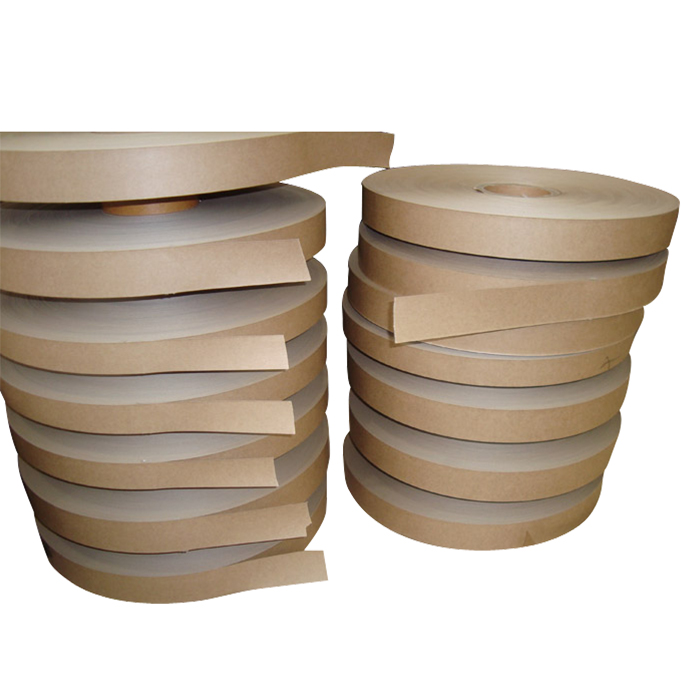
Insulation Paper for Power Supplies is a specialized electrical insulation material used to electrically separate conductive components, protect sensitive parts, improve dielectric reliability, and support the safe operation of power conversion equipment. Depending on the construction and performance requirements, insulation paper can be manufactured from cellulose, aramid, polyester-based materials, polyimide-related structures, or combinations of different insulating fibers and binders.
Power supplies are used in an enormous range of electrical and electronic equipment, including industrial control systems, telecommunications equipment, consumer electronics, battery chargers, adapters, LED drivers, medical equipment, renewable energy systems, electric vehicle systems, automation equipment, data-center power infrastructure, and power conversion modules. Although many modern power supplies are compact and highly integrated, electrical isolation remains a fundamental design requirement.
Within a power supply, conductive components may operate at substantially different electrical potentials. Transformers, inductors, windings, magnetic cores, busbars, terminals, circuit boards, heat sinks, shields, and metal housings may all require controlled insulation. Insulation paper can provide a thin, conformable, lightweight, and electrically reliable separation layer where conventional rigid Insulation Materials would be too bulky or difficult to integrate.
The selection of Insulation Paper for Power Supplies depends on much more than nominal dielectric strength. Engineers may also evaluate thickness, dielectric performance, thermal class, tensile strength, tear resistance, flexibility, dimensional stability, flame behavior, chemical resistance, moisture response, impregnation capability, compatibility with varnishes or resins, manufacturing method, and long-term aging characteristics.
Power electronics also create insulation challenges that differ from traditional low-frequency electrical equipment. Modern switching power supplies can generate repetitive voltage impulses with short rise times. IEC 62068 addresses evaluation of electrical insulation endurance under repetitive voltage impulses for equipment connected to electronic power supplies, while IEC TS 61934 covers partial-discharge measurement in insulation systems subjected to repetitive voltage impulses generated by power electronic devices.
This article provides a comprehensive industry-oriented overview of Insulation Paper for Power Supplies, covering material types, construction, functions, electrical properties, thermal performance, mechanical characteristics, applications, manufacturing processes, selection criteria, processing methods, quality control, storage, safety considerations, and future development.
1. What Is Insulation Paper for Power Supplies?
Insulation paper for power supplies is a thin electrical insulating material designed to prevent unintended electrical contact between conductive parts while maintaining the required electrical, thermal, and mechanical performance of the power supply.
Unlike ordinary paper, Electrical Insulation Paper is manufactured with controlled fiber composition, thickness, density, surface characteristics, cleanliness, and electrical properties.
Its primary purpose is to create an insulating barrier between electrical components.
In a power supply, this barrier may be required:
Between winding layers
Between primary and secondary windings
Between windings and magnetic cores
Between conductive components and metal frames
Between busbars and support structures
Around terminals
Beneath conductive components
Between magnetic components and mounting hardware
Between circuit assemblies and metal housings
Around wires and leads
Between stacked magnetic components
Inside compact power conversion assemblies
The material may be supplied as rolls, sheets, strips, die-cut pieces, slit rolls, or custom fabricated components.
Depending on the application, insulation paper can remain flexible or be laminated, bonded, folded, wrapped, formed, impregnated, or combined with other Electrical Insulation Materials.
2. Why Insulation Is Important in Power Supplies
A power supply converts, regulates, distributes, or conditions electrical energy. During this process, different internal components can operate at different electrical potentials.
A power supply may contain:
Input terminals
Rectifier circuits
Switching devices
Transformers
Inductors
Capacitors
Heat sinks
Printed circuit boards
Conductors
Magnetic cores
Metal shields
Grounding structures
Output terminals
Electrical insulation prevents these elements from creating unintended conductive paths.
Good insulation design can help provide:
Insulation separates circuits operating at different potentials.
An appropriate insulation barrier reduces the possibility of accidental contact between conductive components.
Insulation materials must withstand the expected electrical stresses during operation.
The insulation must remain functional at the operating temperature of the power supply.
Insulation paper can prevent abrasion, edge contact, vibration-related damage, and movement between components.
Thin insulation paper can be wrapped, folded, slit, punched, or die cut to fit compact power supply structures.
3. Main Types of Insulation Paper Used in Power Supplies
The term Insulation Paper covers several material families.
The correct material depends on the electrical and thermal requirements of the application.
Cellulose electrical insulation paper is widely used in electrical equipment because of its good dielectric characteristics, flexibility, availability, and processing properties.
It can be suitable for applications where the operating temperature and environmental conditions fall within the capabilities of the selected grade.
Thermally upgraded cellulose insulation is engineered to provide improved thermal aging performance compared with conventional cellulose paper.
It can be considered where power supply components experience increased temperature or where greater thermal life is required.
Aramid paper is a high-performance electrical insulation material with strong thermal and electrical characteristics.
Aramid papers are used in demanding electrical equipment, including transformers, motors, generators, and other electrical systems. Certain aramid paper grades are specifically designed for thermal classes up to 180°C.
Polyester films and paper-film laminates can provide high dielectric strength, dimensional stability, and smooth surfaces.
They may be used when a thin, uniform insulating layer is required.
Polyimide insulation materials are selected for applications requiring very high thermal performance and excellent electrical stability.
Composite materials can combine paper with polymer films, adhesive layers, nonwoven structures, or other Insulating Materials.
IEC 60626-1:2023 covers combined flexible materials for electrical insulation and emphasizes that material selection should be based on the actual requirements of the intended application rather than solely on a generic specification.
4. Insulation Paper in Switching Power Supplies
Switching power supplies operate by rapidly switching electrical energy through semiconductor devices.
Common components include:
MOSFETs
IGBTs
Transformers
Inductors
Rectifiers
Capacitors
Control circuits
Filters
Heat sinks
The switching process can generate high-frequency voltage transitions.
This creates additional insulation considerations compared with simple low-frequency circuits.
Electrical insulation may need to withstand:
Repetitive voltage pulses
Fast voltage rise times
High-frequency electrical stress
Localized electric fields
Thermal cycling
Mechanical vibration
Long operating periods
IEC 62068 specifically provides a general method for evaluating electrical endurance under repetitive voltage impulses for electrical equipment containing insulation systems connected to electronic power supplies.
Therefore, insulation paper used in modern power electronics should be selected with consideration for both normal operating voltage and the waveform characteristics generated by switching devices.
5. Insulation Paper for Power Supply Transformers
One of the most important applications is insulation around power supply transformers.
Transformers may provide:
Voltage conversion
Galvanic isolation
Impedance transformation
Power transfer
Noise isolation
The insulation system may separate:
Primary winding from secondary winding
Individual winding layers
Winding from magnetic core
Winding from bobbin
Winding from mounting structure
Lead wires from adjacent conductors
Insulation paper can be wrapped around conductors or placed between winding layers.
Depending on the design, engineers may use paper, film, composite insulation, or combinations of these materials.
The required material depends on voltage, frequency, temperature, winding geometry, insulation class, impregnation process, and applicable safety requirements.
6. Primary to Secondary Insulation
Isolation between the primary and secondary circuits is a critical function in many isolated power supplies.
The primary side may be connected to a higher-voltage input, while the secondary side provides a lower-voltage output.
The insulation system must maintain adequate electrical separation between these circuits.
Insulation paper may form part of the barrier between winding structures.
The exact insulation arrangement can include:
Multiple layers of insulation paper
Sleeving
Bobbin structures
Margin tape
Barrier tape
Reinforced insulation
Additional protective barriers
The final insulation system should be evaluated as a complete system rather than assuming that one sheet of insulation paper alone determines safety.
7. Interlayer Insulation
Interlayer insulation separates adjacent winding layers.
It is especially useful in transformers and inductors where multiple conductor layers are wound around a magnetic core.
Interlayer insulation can help:
Prevent conductor-to-conductor contact
Increase dielectric separation
Reduce electrical stress
Protect conductor coatings
Improve winding reliability
Reduce abrasion
Maintain winding structure
Thin insulation paper is particularly useful because it can provide separation without significantly increasing the size of the magnetic component.
8. Conductor Insulation
Electrical insulation paper can also be used directly around conductors.
Depending on the material and application, paper may be:
Wrapped
Folded
Spiral wrapped
Overlapped
Laminated
Combined with film
Aramid insulation papers are used for conductor insulation in demanding electrical equipment. For example, certain aramid paper grades are designed for wire wrapping and conductor insulation applications.
The wrapping method is important because the effective insulation system depends on:
Number of layers
Overlap
Tension
Wrapping direction
Edge quality
Surface condition
Material thickness
9. Insulation Around Magnetic Cores
Magnetic cores in power supplies may consist of:
Ferrite
Powdered iron
Nanocrystalline materials
Amorphous alloys
Laminated electrical steel
Insulation paper may be placed between the magnetic core and surrounding conductors.
Its functions can include:
Preventing electrical contact
Protecting wire insulation
Reducing abrasion
Providing a controlled insulation barrier
Improving mechanical separation
For high-frequency ferrite transformers, the insulation design must also consider the operating frequency and switching waveform.
10. Insulation Paper for Inductors
Inductors are widely used in:
Switching power supplies
DC-DC converters
AC-DC converters
EMI filters
Output filters
Energy storage circuits
Insulation paper may be used between:
Windings
Conductors
Magnetic cores
Bobbins
Mounting components
The material should be selected according to:
Voltage
Current
Frequency
Temperature
Winding geometry
Mechanical requirements
The insulation paper must not interfere with the intended magnetic design.
11. Electrical Properties
Electrical performance is the central consideration when selecting insulation paper.
Important properties include:
Dielectric strength
Dielectric constant
Volume resistivity
Surface resistivity
Dielectric loss
Insulation resistance
Partial discharge resistance
Electrical endurance
Breakdown behavior
The numerical values depend strongly on material type, thickness, test method, conditioning, temperature, and frequency.
Therefore, technical datasheets should always be evaluated under comparable test conditions.
12. Dielectric Strength
Dielectric strength represents the electrical stress that an insulation material can withstand before breakdown under specified test conditions.
It is commonly expressed in:
kV/mm
V/mil
However, dielectric strength is not a fixed universal number.
It can change according to:
Thickness
Temperature
Humidity
Test duration
Electrode configuration
Frequency
Surface condition
Material density
Manufacturing quality
A thicker insulation layer does not always provide proportionally higher dielectric strength because defects, interfaces, voids, and field concentration can influence breakdown.
13. Insulation Resistance
Insulation resistance measures the resistance against leakage current through or across an insulating material.
High insulation resistance is generally desirable in electrical insulation applications.
Factors influencing insulation resistance include:
Material composition
Moisture
Temperature
Surface contamination
Thickness
Electrical field
Aging
Moisture and contamination can substantially affect insulation performance.
For this reason, clean and dry handling is important during manufacturing and assembly.
14. Partial Discharge Considerations
Partial discharge can occur in localized regions of insulation where the electric field is sufficiently high to cause small electrical discharges.
Power electronics create special challenges because switching devices can produce repetitive voltage impulses with short rise times.
IEC TS 61934:2024 addresses offline measurement of partial discharge in electrical insulation systems subjected to repetitive voltage impulses generated by power electronic devices. Its applications include electrical insulation systems associated with power electronics equipment and modules.
For demanding power supply designs, insulation selection should therefore consider not only nominal voltage but also:
Switching frequency
Voltage rise time
Repetition rate
Peak voltage
Electric field concentration
Geometry
Interface conditions
15. Thermal Performance
Power supplies generate heat.
Heat may come from:
Semiconductor switching losses
Transformer losses
Copper losses
Core losses
Rectification losses
Capacitor losses
Resistor losses
Magnetic component losses
Insulation paper must maintain adequate performance at the temperatures experienced during operation.
Important thermal characteristics include:
Continuous operating temperature
Short-term temperature resistance
Thermal aging
Shrinkage
Dimensional stability
Mechanical retention
Thermal endurance
Aramid insulation paper is particularly useful in higher-temperature electrical insulation applications. Certain aramid paper grades are designed for applications involving thermal classes up to 180°C.
16. Thermal Class
Thermal class provides a framework for understanding the temperature capability of an insulation system.
Common insulation classes include:
Class A
Class E
Class B
Class F
Class H
Higher-temperature specialized systems
The appropriate class should be selected according to the complete insulation system and equipment design.
A high-temperature paper does not automatically make an entire power supply suitable for high-temperature operation. Other components may become the limiting factor.
17. Mechanical Properties
Insulation paper is not only an electrical barrier.
During manufacturing, it can experience:
Pulling
Folding
Wrapping
Cutting
Punching
Bending
Compression
Abrasion
During operation, it can experience:
Vibration
Thermal expansion
Thermal contraction
Electromagnetic forces
Mechanical movement
Important mechanical properties include:
Tensile strength
Tear strength
Burst strength
Elongation
Folding resistance
Flexibility
Compression resistance
Published technical data for electrical insulation papers demonstrate that mechanical characteristics vary significantly according to thickness and material construction.
18. Flexibility
Flexibility is one of the major advantages of insulation paper.
A flexible insulation material can conform to irregular surfaces and winding structures.
This makes it suitable for:
Coil wrapping
Winding separators
Lead insulation
Slot insulation
Layer insulation
Barrier structures
Small transformer assemblies
Flexible insulation can also reduce the need for thick rigid components.
19. Thickness Selection
Thickness is one of the most important purchasing specifications.
Typical electrical insulation papers may be supplied in thicknesses ranging from very thin paper to several tenths of a millimeter.
The correct thickness depends on:
Required dielectric separation
Space limitations
Mechanical strength
Winding structure
Safety insulation requirement
Manufacturing method
Number of layers
For example, an aramid electrical insulation paper product can be available in several thicknesses from approximately 0.08 mm upward, depending on grade.
Another aramid grade designed for higher bulk applications is available in thicknesses from approximately 0.13 to 0.58 mm.
These values illustrate why thickness should always be specified together with the exact material grade.
20. Density
Density influences several properties of electrical insulation paper.
It can affect:
Mechanical strength
Dielectric performance
Flexibility
Porosity
Impregnation
Thermal behavior
Thickness consistency
Low-density insulation paper can provide high bulk and improved conformability.
Higher-density insulation paper can provide increased strength and compactness.
For example, technical data for aramid paper grades show substantial differences in density and mechanical behavior depending on the intended application.
21. Moisture Resistance
Cellulose-based insulation materials are sensitive to moisture.
Moisture can influence:
Insulation resistance
Dielectric strength
Mechanical properties
Dimensional stability
Thermal aging
Impregnation behavior
Therefore, cellulose insulation paper should be stored in dry conditions and protected from unnecessary humidity exposure.
Synthetic insulation papers such as aramid paper may offer different moisture behavior, but they still require controlled storage and handling.
22. Chemical Resistance
Power supplies may expose insulation materials to:
Varnishes
Resins
Adhesives
Cleaning chemicals
Flux residues
Solvents
Transformer liquids
Lubricants
The selected insulation paper should be compatible with the chemicals encountered during manufacturing and operation.
Chemical compatibility should be verified through supplier technical information or application testing.
23. Compatibility With Varnish and Resin
Many magnetic components are impregnated or coated with insulating varnish or resin.
The insulation paper may therefore come into direct contact with these materials.
Compatibility considerations include:
Wetting
Penetration
Adhesion
Shrinkage
Thermal aging
Chemical stability
Mechanical bonding
A material that performs well electrically but reacts poorly with an impregnation resin may not be suitable for the complete application.
24. Impregnation Capability
Some insulation papers are designed to absorb varnish, resin, or insulating liquid.
Impregnation can:
Fill voids
Improve mechanical stability
Reduce movement
Improve insulation consistency
Protect the insulation from contamination
Improve heat transfer
However, not every insulation paper should be impregnated.
The paper grade should be selected according to the intended manufacturing process.
25. Insulation Paper in AC Power Supplies
AC power supplies may contain isolation transformers and filtering components.
Insulation paper can be used around:
Transformer windings
Magnetic cores
Lead wires
Filter inductors
Chokes
Input transformers
Output transformers
The insulation system should accommodate the expected AC voltage and frequency.
For higher-frequency switching supplies, the waveform characteristics become increasingly important.
26. Insulation Paper in DC Power Supplies
DC power supplies may include:
DC-DC converters
Battery chargers
Auxiliary converters
Industrial power modules
Automotive power converters
Even when the output is DC, the internal power conversion process may involve high-frequency switching.
Therefore, the insulation system may experience repetitive voltage impulses.
This makes material endurance under repetitive electrical stress an important consideration in modern power electronics.
27. Insulation Paper in AC-DC Adapters
Compact AC-DC adapters are highly space constrained.
Their transformers and inductors must provide sufficient electrical insulation without unnecessarily increasing component size.
Thin insulation paper can be useful because it provides:
Low thickness
Good flexibility
Easy wrapping
Low weight
Customizable dimensions
It can be converted into strips or die-cut components to match the transformer design.
28. Insulation Paper in DC-DC Converters
DC-DC converters often use high-frequency transformers or inductors.
These components may require insulation between:
Primary and secondary windings
Winding layers
Conductors and cores
Windings and mounting structures
Because switching frequencies can be relatively high, insulation materials must be selected according to the electrical waveform and thermal environment.
29. Insulation Paper for Industrial Power Supplies
Industrial power supplies often operate for long periods and may experience:
Elevated ambient temperatures
Continuous loading
Electrical transients
Mechanical vibration
Dust
Humidity
Repeated switching
For these environments, insulation paper should be selected with appropriate:
Thermal stability
Mechanical strength
Electrical endurance
Environmental resistance
Long service life requires the insulation system to remain stable under actual operating conditions.
30. Insulation Paper for Telecommunications Power Supplies
Telecommunications systems require reliable power conversion equipment.
Power supplies for:
Network equipment
Base stations
Communication systems
Data transmission equipment
Server infrastructure
may operate continuously.
Transformer and inductor insulation must therefore tolerate prolonged electrical and thermal stress.
Compact design also makes thin insulation materials attractive.
31. Insulation Paper for LED Power Supplies
LED drivers often use compact power conversion circuits.
Depending on design, insulation paper may be used around:
Transformers
Inductors
Chokes
Magnetic cores
Conductive mounting structures
The insulation must withstand the expected voltage, switching frequency, temperature, and manufacturing process.
32. Insulation Paper for Battery Chargers
Battery chargers can contain:
Isolation transformers
Switching transformers
Inductors
Power semiconductors
Filters
The insulation system is important for maintaining separation between input and output circuits.
For chargers with high power density, thin insulation materials can help optimize the internal structure.
33. Insulation Paper for Industrial Automation
Automation systems often use:
Control power supplies
Servo power supplies
PLC power modules
Sensor power supplies
Industrial DC converters
Reliability is particularly important because power supply failure can interrupt industrial production.
Insulation paper can contribute to the long-term reliability of transformer and magnetic components.
34. Insulation Paper for Renewable Energy Power Electronics
Renewable energy systems may contain:
Solar inverters
Battery energy storage converters
Wind power converters
DC link converters
Auxiliary power supplies
These systems can experience high electrical and thermal stresses.
Power electronics insulation therefore needs to withstand repetitive switching waveforms and potentially demanding environmental conditions.
35. Insulation Paper for Electric Vehicle Power Systems
Electric vehicles and charging systems use sophisticated power conversion equipment.
Potential applications include:
On-board chargers
DC-DC converters
Auxiliary power supplies
Battery charging modules
High-voltage power electronics
The insulation system must be designed according to the voltage level, switching waveform, thermal environment, vibration, and safety requirements of the application.
36. Insulation Paper and Compact Power Supply Design
Modern power supplies increasingly prioritize:
Smaller size
Higher power density
Lower weight
Higher efficiency
Higher switching frequency
These trends place greater demands on electrical insulation.
A thin insulation paper can help engineers maintain electrical separation without adding excessive volume.
This is particularly useful in:
High-frequency transformers
Compact adapters
Miniature power modules
High-density converters
37. Insulation Paper and High Frequency
High-frequency operation can change the electrical behavior of an insulation system.
Important considerations include:
Dielectric loss
Partial discharge
Electric field concentration
Interface effects
Repetitive voltage stress
Thermal generation
The suitability of an insulation paper should therefore be evaluated under the actual operating frequency and waveform where necessary.
38. Surface Quality
Surface quality affects insulation reliability.
Potential surface defects include:
Scratches
Holes
Wrinkles
Contamination
Fiber lumps
Uneven coating
Edge damage
Local thinning
A smooth and consistent surface can make processing easier and reduce the possibility of local electrical stress concentrations.
39. Edge Quality
Edges are particularly important in winding applications.
Sharp or damaged edges can:
Cut adjacent insulation
Damage conductor coatings
Create mechanical stress
Reduce winding reliability
Slitting and die cutting should therefore be controlled carefully.
For high-reliability applications, edge inspection can be an important part of quality control.
40. Die Cutting and Custom Shapes
Insulation paper can be converted into custom shapes using:
Die cutting
Punching
Slitting
Laser processing
Precision cutting
Custom components may include:
Washers
Barriers
Tabs
Spacers
Sleeves
Insulating strips
Terminal barriers
Winding separators
Custom die-cut insulation can reduce assembly time and improve consistency.
41. Slitting
Insulation paper is often supplied in narrow rolls or slit widths.
Slitting quality is important because poor slitting can create:
Uneven edges
Burr-like fiber projections
Width variation
Edge cracks
Material deformation
Accurate slit width is particularly important for automated winding equipment.
42. Wrapping Process
For conductor and winding insulation, paper may be wrapped around a conductor.
The process can be:
Manual
Semi-automatic
Fully automated
Important process parameters include:
Tension
Overlap
Wrapping speed
Number of layers
Alignment
Surface cleanliness
The insulation system must maintain complete coverage throughout the winding process.
43. Layering and Overlap
Multiple layers may be used when a single layer does not provide the required insulation performance.
Layering can improve:
Electrical separation
Mechanical protection
Reliability
Resistance to pinholes
Coverage consistency
However, additional layers also increase component size.
Therefore, insulation thickness and layer count should be optimized rather than simply maximized.
44. Electrical Clearance and Creepage
Power supply insulation design also involves physical separation.
Two important concepts are:
The shortest distance through air between conductive parts.
The shortest distance along the surface of an insulating material between conductive parts.
Insulation paper can contribute to the physical insulation system, but its presence does not automatically satisfy clearance and creepage requirements.
The complete design must account for:
Voltage
Pollution environment
Material properties
Equipment category
Safety standard
Working conditions
45. Flame and Fire Considerations
Power supplies can contain components that generate heat.
An insulation material may therefore need suitable flame behavior depending on the equipment design and applicable safety requirements.
Relevant considerations include:
Flammability
Thermal decomposition
Flame propagation
Smoke
Arc exposure
Hot-spot conditions
Material selection should be based on the applicable equipment standard and the complete construction.
46. Mechanical Protection
Insulation paper can also function as a protective layer.
It can prevent:
Wire abrasion
Metal edge contact
Winding movement
Core-to-wire contact
Component-to-component rubbing
This mechanical protection can be especially valuable during assembly and long-term vibration.
47. Noise and Vibration Considerations
Transformers and inductors can produce vibration due to electromagnetic forces.
Insulation materials can sometimes contribute to mechanical stabilization when used with impregnation varnish or other structural systems.
A properly selected insulation material can help maintain component positioning.
However, insulation paper should not be considered a standalone vibration-damping material unless the specific grade and construction are designed for that purpose.
48. Chemical Cleanliness
Electrical insulation materials must be free from contaminants that could reduce electrical performance.
Potential contamination includes:
Metallic particles
Conductive dust
Ionic residues
Oil contamination
Chemical residues
Manufacturing debris
Clean handling becomes increasingly important as voltage and electrical field strength increase.
49. Quality Control
A reliable insulation paper manufacturing program may include:
Fiber and polymer materials should meet defined quality requirements.
Thickness should remain within specified tolerance.
Density should be consistent throughout the production batch.
Electrical performance should be tested according to the applicable method.
Tensile and tear properties should be verified.
Surface and edge defects should be identified.
Moisture should remain within the required range.
Roll width, sheet dimensions, and thickness should meet specifications.
50. Typical Specification Considerations
When specifying insulation paper for a power supply, a technical document may include:
Material type
Grade
Thickness
Thickness tolerance
Density
Basis weight
Dielectric strength
Tensile strength
Tear strength
Elongation
Thermal class
Moisture content
Surface quality
Width
Roll length
Sheet dimensions
Flame characteristics
Chemical compatibility
Impregnation compatibility
Applicable test standards
Exact numerical requirements should be established according to the specific application.
51. Material Selection by Application
For lower-temperature applications, conventional electrical insulation paper may provide an economical and practical solution.
For higher-temperature applications, thermally upgraded cellulose or aramid insulation may be considered.
For extremely demanding environments, advanced synthetic insulation materials may be evaluated.
The decision should consider:
Electrical requirements
Thermal requirements
Mechanical requirements
Chemical environment
Manufacturing process
Cost
Expected service life
52. Cellulose Paper Advantages
Cellulose insulation paper can provide:
Good electrical insulation
High flexibility
Easy processing
Good conformability
Low material weight
Established manufacturing technology
Cost efficiency
It remains useful for applications where the operating environment is compatible with its thermal and moisture characteristics.
53. Aramid Paper Advantages
Aramid insulation paper provides several advantages for demanding electrical applications.
These can include:
High thermal stability
Strong mechanical properties
Good dielectric performance
Good dimensional stability
Resistance to many chemicals
Excellent electrical insulation characteristics
Aramid paper products are used in demanding transformer and electrical equipment applications, with different grades optimized for high density, low density, conductor insulation, layer insulation, or high-temperature operation.
54. Composite Insulation Advantages
Composite insulation combines different materials to obtain a balanced performance profile.
Possible combinations include:
Paper and polyester film
Paper and aramid
Cellulose and synthetic fibers
Film and nonwoven materials
Composite materials can be engineered to provide combinations of:
Mechanical strength
Dielectric strength
Flexibility
Thermal performance
Surface smoothness
Impregnation capability
IEC 60626-1:2023 recognizes combined flexible electrical insulation materials and emphasizes application-specific material selection.
55. Insulation Paper and Power Density
As power density increases, electrical components become smaller while operating temperatures can increase.
This creates a greater demand for thin insulation with reliable electrical performance.
Thin insulation paper can help:
Reduce winding dimensions
Increase available copper space
Improve magnetic component compactness
Reduce overall weight
Support automated winding
However, reducing thickness should never compromise the required insulation system.
56. Insulation Paper and Thermal Management
Insulation occupies space between components.
Therefore, engineers must balance electrical separation with thermal requirements.
Too much insulation may:
Increase component size
Reduce cooling space
Increase winding dimensions
Reduce power density
Too little insulation may:
Reduce electrical safety
Increase breakdown risk
Increase mechanical damage
The correct insulation thickness is therefore an engineering optimization problem.
57. Insulation Paper and Reliability
Long-term power supply reliability depends on the stability of every major component.
Insulation degradation can result from:
Thermal aging
Electrical aging
Mechanical stress
Moisture
Chemical exposure
Partial discharge
Repetitive voltage stress
Therefore, insulation should be evaluated under realistic operating conditions where necessary.
58. Aging of Electrical Insulation
Electrical insulation can gradually change during service.
Possible changes include:
Loss of mechanical strength
Brittleness
Shrinkage
Cracking
Dielectric deterioration
Chemical decomposition
Reduced insulation resistance
Thermal aging is particularly important because elevated temperature can accelerate chemical degradation.
The expected service life of a power supply should therefore be considered when selecting insulation materials.
59. Repetitive Voltage Stress
Traditional insulation testing may focus on sinusoidal AC or DC voltage.
Modern switching power supplies can expose insulation to repetitive pulses.
These pulses may have:
Very fast rise times
High repetition rates
High peak voltage
High-frequency content
IEC 62068 provides a framework for evaluating electrical endurance under repetitive voltage impulses, making this type of testing particularly relevant to electronic power supply environments.
60. Power Electronics and Partial Discharge
Partial discharge is an important subject in advanced power electronics insulation.
IEC TS 61934:2024 specifically addresses electrical measurement of partial discharge under short rise time and repetitive voltage impulses generated by power electronics devices.
This highlights an important modern design principle:
The insulation material should be evaluated according to the actual electrical waveform, not only the nominal voltage rating.
61. Power Supply Insulation Versus Transformer Insulation
Although both applications can use insulation paper, their requirements may differ.
Transformer insulation often emphasizes:
Oil compatibility
Long-term thermal aging
Winding insulation
High voltage
Mechanical winding support
Power supply insulation may place greater emphasis on:
Compact dimensions
High-frequency operation
Repetitive switching impulses
Thin insulation
Automated winding
High power density
Some materials can be used in both applications, but the selection criteria should remain application-specific.
62. Storage of Insulation Paper
Insulation paper should generally be stored:
In a clean environment
In a dry environment
Away from direct water exposure
Away from conductive contaminants
Away from aggressive chemicals
In suitable packaging
With controlled handling
Rolls should be protected from crushing and deformation.
Sheets should be supported to reduce warping.
63. Handling Recommendations
Operators should avoid:
Touching insulation surfaces with contaminated hands
Dragging paper across dirty surfaces
Excessive folding
Sharp bending
Cutting with damaged tools
Exposing the material to moisture
Leaving unused material unprotected
Clean handling is especially important for high-voltage or high-reliability applications.
64. Packaging Requirements
Packaging should protect insulation paper against:
Moisture
Dust
Mechanical damage
Compression
Contamination
Deformation
For long-distance transportation, moisture-resistant packaging can help preserve material condition.
Packaging should also clearly identify:
Material grade
Thickness
Batch number
Production information
Roll or sheet dimensions
Traceability is valuable for industrial quality management.
65. Common Insulation Paper Defects
Common defects may include:
Small holes can reduce effective insulation coverage.
Wrinkles may create local thickness variation.
Cracks can reduce mechanical and electrical integrity.
Damaged edges can cause problems during winding.
Foreign particles can reduce insulation reliability.
Thickness variation can affect electrical clearance.
Moisture can negatively affect electrical performance.
66. Causes of Insulation Failure
Insulation failure can occur for many reasons.
Potential causes include:
Insufficient insulation thickness
Excessive electrical stress
Thermal overheating
Poor material quality
Mechanical damage
Contamination
Moisture
Poor winding technique
Sharp conductor edges
Repetitive voltage stress
Partial discharge
Chemical incompatibility
Failure analysis should consider the complete insulation system rather than focusing only on the paper itself.
67. Improving Insulation Reliability
Reliability can be improved by:
Selecting the correct material grade.
Controlling thickness.
Controlling moisture.
Maintaining clean processing.
Avoiding sharp mechanical edges.
Controlling winding tension.
Using suitable overlap.
Controlling impregnation.
Testing electrical endurance.
Evaluating thermal aging.
Controlling production tolerances.
Maintaining traceability.
68. Custom Insulation Paper Products
Power supply manufacturers may require custom insulation paper products.
Custom options can include:
Custom width
Custom thickness
Slit rolls
Die-cut pieces
Custom sheets
Laminated insulation
Preformed barriers
Winding strips
Insulation sleeves
Custom punched parts
Customized insulation can improve assembly efficiency.
69. Automated Manufacturing
Modern power supply production increasingly uses automated winding and assembly equipment.
Insulation paper must therefore provide consistent:
Width
Thickness
Tensile strength
Surface condition
Edge quality
Roll tension behavior
Material consistency is essential for high-speed automated processing.
70. High-Speed Winding
During high-speed winding, insulation paper experiences mechanical tension.
If tensile strength is too low, the paper may:
Tear
Stretch
Wrinkle
Misalign
Break during processing
If the material is too stiff, it may not conform well to the winding structure.
Therefore, flexibility and strength must be balanced.
71. Power Supply Manufacturing Efficiency
A well-selected insulation paper can contribute to manufacturing efficiency by providing:
Easy handling
Stable dimensions
Consistent thickness
Clean cutting
Reliable wrapping
Good compatibility with automation
This can reduce assembly variation and improve production consistency.
72. Insulation Paper for Compact Transformers
Compact transformers have limited space.
Insulation paper is useful because it can provide electrical separation with relatively low thickness.
Engineers can optimize:
Layer count
Paper thickness
Winding arrangement
Margin width
Insulation overlap
The objective is to achieve the required electrical insulation while maintaining high magnetic utilization and compact dimensions.
73. Insulation Paper for High Voltage Power Supplies
High-voltage power supplies may require reinforced insulation systems.
Potential applications include:
Industrial high-voltage supplies
X-ray power supplies
Laboratory power systems
High-voltage DC converters
Specialized industrial equipment
These applications require careful consideration of:
Dielectric strength
Clearance
Creepage
Partial discharge
Surface contamination
Thermal conditions
The complete insulation design should follow the applicable equipment safety requirements.
74. Insulation Paper for Medical Power Supplies
Medical equipment power supplies may require highly reliable electrical isolation.
Potential applications include:
Medical imaging equipment
Patient monitoring equipment
Laboratory equipment
Diagnostic instruments
Material selection should follow the relevant equipment standards and insulation system requirements.
75. Insulation Paper for Data Center Power Supplies
Data centers require high availability and continuous power.
Power conversion equipment may include:
Server power supplies
UPS systems
Rectifiers
DC converters
Power distribution modules
Insulation materials should be selected for long operating life, thermal stability, and electrical reliability.
76. Insulation Paper for UPS Systems
Uninterruptible power supplies contain:
Transformers
Inductors
Filters
Inverters
Rectifiers
Insulation paper may be used within magnetic components and other electrical structures.
The material must tolerate the expected voltage, frequency, temperature, and mechanical environment.
77. Insulation Paper for Inverter Power Supplies
Inverters can generate high-frequency switching waveforms.
This makes insulation endurance particularly important.
Modern insulation evaluation may therefore consider repetitive impulse stress and partial discharge behavior. IEC 62068 and IEC TS 61934 provide relevant frameworks for these types of electrical endurance and partial-discharge considerations.
78. Insulation Paper for Energy Storage Systems
Energy storage systems contain power conversion equipment that may include:
DC-DC converters
Inverters
Auxiliary power supplies
Battery management power circuits
Electrical insulation must be designed according to system voltage and switching characteristics.
Thermal management is also important because high-power energy conversion generates heat.
79. Insulation Paper and Sustainability
Cellulose insulation paper is derived from renewable cellulose fibers and remains an important electrical insulation material.
Advanced electrical insulation development is increasingly focused on:
Improved service life
Reduced material consumption
Higher thermal performance
More efficient manufacturing
Recyclability
Bio-based materials
Reduced environmental impact
However, sustainability should be evaluated across the entire product lifecycle.
80. Future Development
The future of insulation paper for power supplies is closely connected with the development of high-frequency power electronics.
Potential development areas include:
Thinner high-performance insulation
Improved thermal stability
Better repetitive impulse endurance
Improved partial-discharge resistance
Advanced aramid papers
High-performance cellulose papers
Composite insulation
Nanostructured insulation
Improved moisture resistance
Better automated processing
The increasing use of power electronics makes insulation system evaluation increasingly important.
81. Advanced Insulation Materials
Advanced materials can combine different properties.
For example, an engineered cellulose paper containing high-temperature polymer components can provide a balance between conventional cellulose and synthetic high-temperature insulation.
One documented example is an engineered cellulose paper incorporating aramid components and designed for electrical insulation applications. Its published technical information describes improved physical and electrical properties compared with cellulose-only paper.
Such materials illustrate the broader trend toward hybrid insulation structures.
82. Thermal Upgrading
Thermally upgraded insulation aims to increase the usable thermal capability of electrical equipment.
This can help power supply designers achieve:
Higher power density
Smaller transformer size
Higher continuous loading
Improved thermal life
Better reliability under elevated temperature
However, thermal upgrading must be evaluated at the complete insulation-system level.
83. High-Temperature Aramid Insulation
Aramid paper is particularly relevant when conventional cellulose insulation is insufficient for the operating temperature.
Some aramid products are engineered for high-temperature electrical insulation systems and can be used in conductor insulation and transformer applications.
The choice between cellulose and aramid should depend on:
Temperature
Cost
Electrical requirements
Mechanical requirements
Application lifetime
Manufacturing process
84. Insulation Paper for Power Supply Design Engineers
Design engineers should define the insulation requirements before selecting a material.
A design specification can include:
Maximum working voltage
Peak voltage
Switching frequency
Voltage rise time
Maximum temperature
Required insulation class
Minimum thickness
Required dielectric strength
Required mechanical strength
Impregnation method
Environmental conditions
Expected lifetime
This approach avoids selecting insulation based solely on a general product description.
85. Insulation Paper for Procurement Teams
Purchasing teams should avoid specifications such as simply:
“Electrical insulation paper.”
Instead, procurement documentation should identify:
Exact material type
Grade
Thickness
Width
Density
Electrical requirements
Thermal requirements
Mechanical requirements
Surface requirements
Packaging
Quantity
Inspection requirements
A detailed specification reduces the possibility of receiving a technically unsuitable substitute.
86. Supplier Quality Documentation
For industrial applications, customers may request:
Certificate of analysis
Material test report
Batch number
Thickness report
Electrical test report
Mechanical test report
Moisture test
Dimensional inspection
Compliance documentation
Documentation requirements vary according to the application.
87. Inspection Before Production
Before insulation paper enters production, operators should verify:
Material identity
Thickness
Width
Surface condition
Edge condition
Moisture condition
Packaging integrity
Batch identification
This simple inspection can help prevent production problems caused by incorrect or damaged insulation material.
88. Recommended Handling Workflow
A practical workflow can be:
Receive → Inspect → Store → Condition → Process → Assemble → Test
Receiving inspection verifies the material.
Storage protects the material.
Conditioning allows the material to reach the appropriate production environment.
Processing converts the paper into required components.
Assembly integrates the insulation into the power supply.
Electrical and mechanical testing verifies the final assembly.
89. Why Application-Specific Testing Matters
A material may perform well in a laboratory test but behave differently in a real power supply.
Actual performance depends on:
Temperature
Voltage waveform
Frequency
Mechanical stress
Impregnation
Component geometry
Humidity
Manufacturing process
Therefore, application testing can be valuable for demanding designs.
90. General Selection Checklist
Before selecting Insulation Paper for Power Supplies, consider the following questions:
What is the working voltage?
What is the maximum peak voltage?
What is the switching frequency?
Are repetitive voltage impulses present?
What is the maximum operating temperature?
Is the insulation exposed to varnish or resin?
Is flexibility required?
What thickness is available?
What mechanical strength is needed?
Is moisture resistance important?
Is partial discharge evaluation required?
Is the material used in a transformer?
Is it used in an inductor?
Is it used for primary-secondary isolation?
Is it suitable for automated winding?
What standard applies?
What is the required service life?
What environmental conditions will occur?
What packaging is required?
What quality documentation is necessary?
91. Frequently Asked Questions
Insulation Paper for Power Supplies is an electrical insulation material used to separate conductive components and protect power supply components from electrical, mechanical, and thermal stress.
It can be used in transformers, inductors, winding structures, magnetic components, lead insulation, layer insulation, primary-secondary barriers, and other electrical isolation structures.
Yes. Appropriate electrical insulation paper can be used in switching power supply magnetic components, but the material should be selected according to switching voltage, frequency, temperature, and repetitive electrical stress.
Cellulose insulation paper can be suitable for applications within its electrical, thermal, mechanical, and environmental capabilities.
Aramid insulation paper offers high thermal stability and strong electrical and mechanical characteristics. Certain grades are designed for high-temperature electrical insulation applications.
Thickness depends on the required electrical insulation, mechanical structure, voltage, available space, and applicable equipment requirements.
Yes. Many insulation papers can be slit, punched, die cut, or converted into custom components.
Some grades are designed to work with varnishes or resins, but chemical compatibility should be verified for the specific material and process.
Yes. In addition to electrical separation, it can protect conductors from abrasion and provide mechanical separation between components.
Suitable grades can be used, but high-frequency applications require consideration of dielectric losses, repetitive voltage stress, partial discharge, thermal behavior, and actual operating waveform.
Moisture can influence electrical resistance, dielectric strength, mechanical characteristics, and aging, particularly for cellulose-based insulation.
A complete specification may include material grade, thickness, density, dielectric strength, tensile strength, thermal class, moisture, dimensions, surface quality, and applicable testing requirements.
92. Conclusion
Insulation Paper for Power Supplies is an important material for modern electrical and electronic power conversion equipment. Its primary role is to create reliable electrical separation while maintaining sufficient mechanical, thermal, and dimensional performance.
The material can be used in transformers, inductors, magnetic cores, winding structures, conductors, barriers, and other power supply components. Thin flexible insulation paper is especially valuable in compact designs because it provides electrical separation without adding excessive volume.
Material selection should consider the complete operating environment. Electrical requirements include working voltage, peak voltage, frequency, repetitive impulse stress, dielectric strength, insulation resistance, and partial-discharge behavior. Mechanical requirements include tensile strength, tear strength, flexibility, dimensional stability, and processing durability. Thermal requirements include continuous temperature, thermal aging, and insulation-system classification.
The growth of switching power supplies and power electronics is creating new insulation challenges. Modern power semiconductor devices can generate repetitive voltage impulses with short rise times, making electrical endurance under repetitive impulse stress an increasingly relevant consideration. IEC 62068 provides a general approach for evaluating insulation endurance under repetitive voltage impulses, while IEC TS 61934:2024 addresses partial-discharge measurement under repetitive voltage impulses generated by power electronics devices.
For lower-temperature applications, cellulose-based electrical insulation paper can offer a practical combination of flexibility, electrical performance, processing convenience, and cost efficiency. For higher-temperature or more demanding applications, thermally upgraded cellulose, aramid paper, composite insulation, and other advanced electrical insulation materials can provide additional performance capabilities. Published technical information demonstrates that different grades of electrical insulation paper are engineered for different combinations of density, thickness, thermal performance, mechanical strength, and electrical performance.
The best Insulation Paper for Power Supplies is therefore not necessarily the thickest, strongest, or highest-temperature material. It is the material that provides the appropriate balance of dielectric performance, thermal endurance, mechanical strength, flexibility, dimensional stability, manufacturability, environmental compatibility, and service life for the specific power supply design.
This website uses cookies to ensure you get the best experience on our website.



 Phone
Phone